Loose powder can become airborne, contaminate samples and optical surfaces, irritate skin, and add cleaning work, but removing powder does not solve every laboratory barrier problem. By matching glove material, sterility, fit, thickness, chemical data, and change procedure to each task, you can decide when a powder-free surgical glove is appropriate and when an examination or nitrile glove is safer.
Key takeaways
- Use powder-free gloves for pipetting, microscopy, clean benches, and specimen handling.
- Choose nitrile for many chemical tasks and latex for fit when allergy controls are in place.
- Check the glove, box, and wrapper for size, lot, expiry, sterility, and standards marks.
- Confirm Noida stock by requesting current batch details, sizes, quantities, and dispatch timing.
Which laboratory tasks benefit most from powder-free gloves?
Powder free surgical gloves directly address laboratory hand protection problems caused by loose particulate lubricant. During pipetting, specimen handling, microscopy, clean-bench work, routine chemical contact, and contaminated-waste handling, powder can become airborne, settle on samples, and coat microscope or instrument optics. It can carry latex proteins, irritate skin, and increase bench-cleaning time.
| Task | Direct benefit | Remaining requirement |
|---|---|---|
| Pipetting and specimen handling | Fewer particles near samples | Prevent leakage and cross-contamination |
| Microscopy and instruments | Less residue on optical surfaces | Control glove shedding |
| Clean-bench work | Lower loose-particulate burden | Verify particle, extractables, and endotoxin specifications |
| Routine chemicals and waste | Cleaner handling and disposal | Check reagent-specific permeation data and puncture resistance |
The FDA prohibition on powdered surgeon’s gloves and powdered patient-examination gloves addressed inflammation, granulomas, adhesions, delayed wound healing, and environmental contamination. That rationale applies to laboratory cleanliness, but powder-free status does not guarantee cleanroom suitability.
Powder-free gloves control loose particulate lubricant, not glove shedding, permeation, punctures, tears, leakage, or contamination during removal. They suit work where particulate control and tactile handling matter; the task still determines the required barrier, especially for analytical, molecular, or hazardous-chemical workflows.
How do surgical, examination, latex, and nitrile gloves differ by task?
A sterile surgical glove fits a hand-specific, procedure-oriented job; a non-sterile examination glove fits routine bench work where rapid replacement matters.
| Option | Fit and control | Cuff, barrier and task |
|---|---|---|
| Sterile surgical | Hand-specific, close tactile control; usually individually packed | Longer cuff and controlled sterile presentation for aseptic procedures |
| Non-sterile examination | Often ambidextrous; easier to replace for low-risk work | General barrier for pipetting, specimens and microscopy |
| Latex examination or surgical | High elasticity and tactile performance | Choose only when latex exposure is acceptable |
| Nitrile examination | Good fit and tactile control, with useful puncture and oil resistance | Prefer when avoiding natural-rubber latex and data support the exposure |
These categories are not a quality ranking. Thickness, puncture resistance, cuff coverage and barrier requirements must match the task. A surgical glove is wasteful for frequent changes during low-risk work, while an examination glove is unsuitable for aseptic handling that requires sterile presentation and a close, hand-specific fit.
Natural-rubber latex can provide excellent stretch and fingertip sensitivity, but latex proteins can cause allergy or sensitisation even when the glove is powder-free. Nitrile avoids those proteins and handles many oils, but neither material is universally chemical-proof.
For any reagent, request the exact chemical, concentration, temperature, contact time, and breakthrough or permeation result. For chemotherapy drugs or other highly hazardous chemicals, require relevant data, including ASTM D6978 where applicable; ordinary laboratory gloves in noida are the wrong choice for extended chemical resistance.
What should you verify on the glove, box, and inner wrapper?
Verify the wording, material, lot, and test evidence; “powder-free” alone does not mean latex-free. A search for powder free surgical gloves is not a purchase specification.
1. Confirm the polymer: natural-rubber latex or nitrile. For latex avoidance, require the exact wording “not made with natural rubber latex,” not an inference from the product name.
2. Record sterile or non-sterile status, cuff length, size range, thickness, hand-specific or ambidextrous shape, textured fingertips, packaging integrity, and planned change frequency.
3. Check the glove, box, and inner wrapper for “powder-free,” batch or lot number, expiry date, and sterilisation status. If wording is unclear, photograph both packages, quarantine the stock, and request written confirmation linked to that lot.
4. Request the declaration of conformity, certificate of analysis, relevant test reports, AQL or leak-test information, tensile-strength and thickness values, and chemical breakthrough data when the task requires them.
5. Inspect EN 455, EN 374, ASTM D6319, or other standards marks only when the manufacturer claims them and supplies evidence. A mark alone does not prove suitability for a reagent.
For analytical, molecular, or clean-bench work, ask for particle, extractables, or endotoxin data when specified by the method. Even powder-free surgical gloves do not establish sterility, chemical resistance, or cleanroom suitability.
When does a powder-free surgical glove beat an examination glove?
A powder-free surgical glove beats an examination glove for sterile, procedure-like work requiring hand-specific fit, close tactile control, longer cuffs, or controlled sterile presentation. Accept it only when the product documentation matches the task.
| Option | Best fit | Main limitation |
|---|---|---|
| Powder-free surgical glove | Aseptic procedures, delicate manipulation, high tactile control | Costs more and slows frequent changes |
| Powder-free examination glove | Specimen processing, pipetting, microscopy, low-risk bench work | Less anatomical fit and cuff coverage |
| Nitrile examination glove | Latex avoidance and oil exposure supported by manufacturer data | Not universally chemical-proof |
1. Choose the powder-free examination glove when rapid replacement, ambidextrous sizing, and lower procurement cost matter more than surgical fit.
2. Choose nitrile when latex sensitisation is a concern, or when oils contact the glove and reagent-specific permeation data supports that exposure. For chemotherapy or other highly hazardous chemicals, require relevant testing, including ASTM D6978 where applicable.
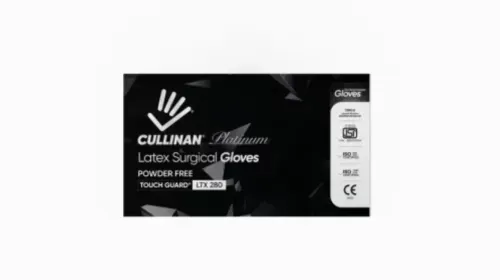
3. For a cullinan gold surgical gloves powder free comparison, request the actual Gold glove’s AQL, thickness, tensile strength, sterility status, standards marking, and reagent-specific permeation data. “Gold” supplies none of those specifications.
Cullinan Gold powder-free surgical gloves are not automatically sterile, chemical-proof, virus-proof, or suitable for every disinfectant, solvent, cytotoxic drug, or biological hazard. The surgical glove is the wrong choice for frequent-change, low-risk work, extended chemical exposure, or a workflow requiring a validated cleanroom glove.
How can a Noida buyer verify stock before placing a glove order?
A Noida buyer can verify laboratory gloves in Noida by testing the actual lot, not relying on a catalogue image or product name. Request samples in every intended size.
1. Test donning with dry and damp hands, pipetting, wet gripping, microscopy, cuff reach, tear resistance, and removal. Record failures by size.
2. Ask for separate confirmation of sterile and non-sterile stock, pack quantity, available sizes, delivery lead time, storage conditions, and lot traceability.
3. Require batch-specific documents: declaration of conformity, certificate of analysis, expiry or retest information, sterilisation record when relevant, AQL or leak-test result, and a chemical compatibility chart or written confirmation for each reagent and disinfectant.
4. Require storage away from heat, sunlight, ozone sources, and chemicals. Reject cartons with damaged seals, missing lot numbers, or expired stock.
5. Treat “cullinan surgical gloves powder for free laboratory in noida” as a likely misspelling of “powder-free.” Put “powder-free” and the full technical specification in the purchase request.
Ak Health Tech Private Limited can provide samples and batch-specific documentation, but accept delivery only after matching the supplied lot to your requested specifications.
Related products
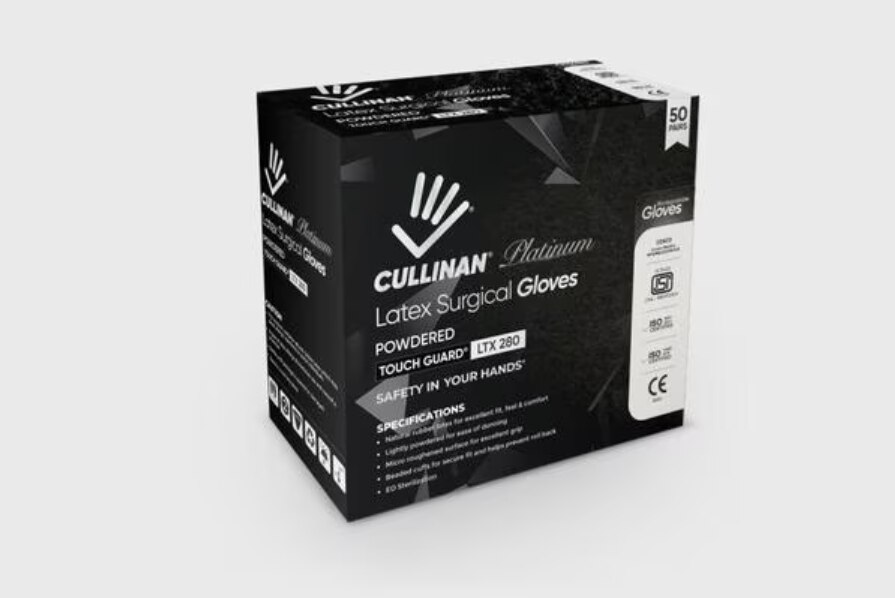
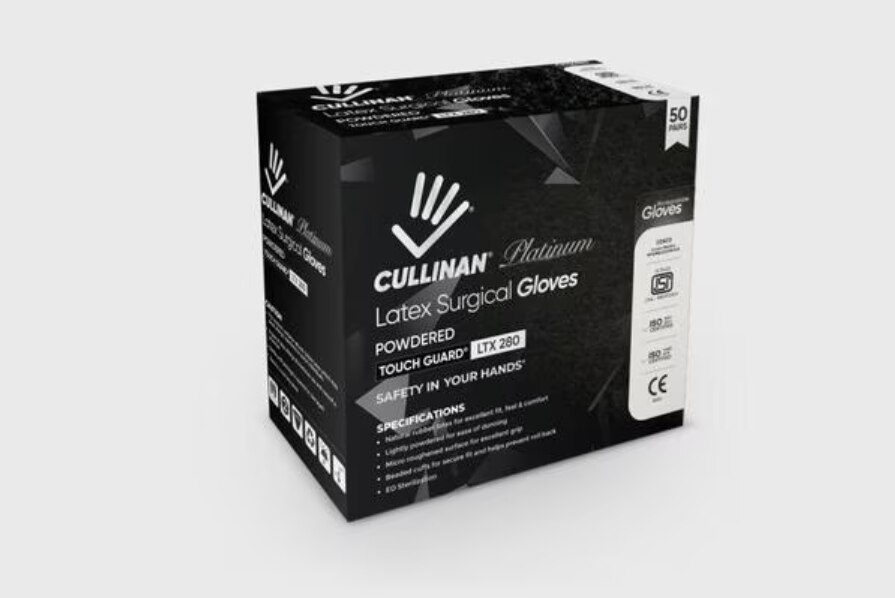
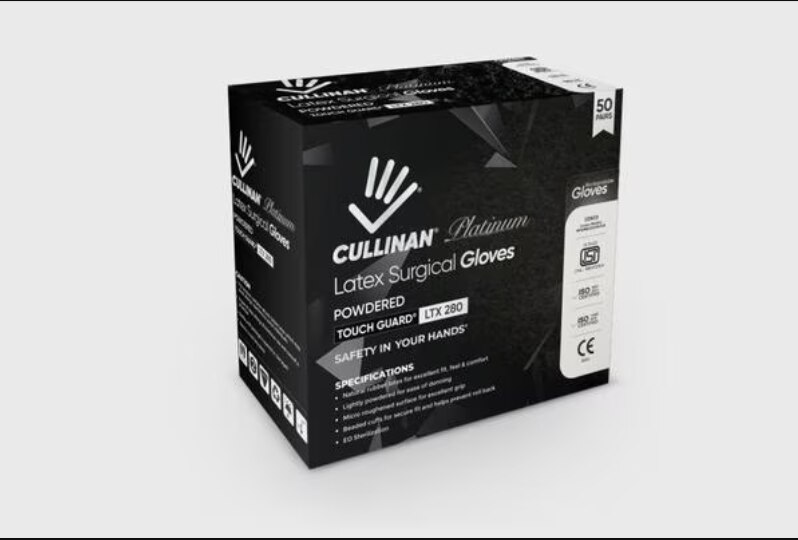
 | Cullinan Surgical Gloves Cullinan Surgical Gloves - Powder Free Our powder free surgical gloves are crafted from premium natural rubber latex, offering superior dexterity, comfort, and reliable protection for... View product → |
 | Cullinan Gold Surgical Gloves - Powder Free Are you searching for Gold Surgical Gloves Manufacturer in India Then AK Health Tech is Best Choice for you Gold Surgical Gloves Powder Free. View product → |
How should you put on, change, and remove laboratory gloves?
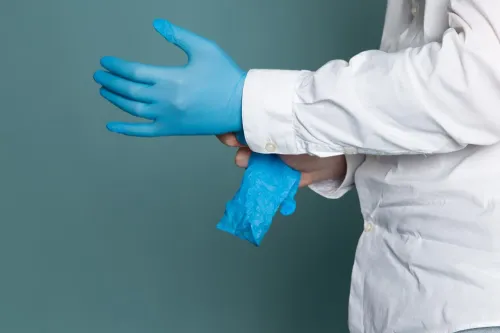
Clean and dry your hands before donning laboratory gloves, then choose the correct size and inspect every glove and cuff for soil, tears, punctures, or defects. Keep bare wrists away from contaminated surfaces and clean equipment.
| Option | Advantage | Limitation |
|---|---|---|
| Single gloving | Better tactile comfort and grip | Less protection against blood, sharps, and contamination |
| Double gloving | Reduces perforations and blood contact | Reduces tactile comfort; damaged gloves still require immediate replacement |
| Powder-free surgical gloves | Close fit and controlled donning | Not automatically chemical-proof or suitable for every laboratory task |
Powder-free gloves feel harder to put on when hands are wet or the fit is too tight. Correct sizing and an approved polymer coating improve donning, but test tactile feel, wet grip, dexterity, and tear resistance with actual users.
Change gloves:
- Between samples when cross-contamination is possible.
- After blood, body fluids, hazardous chemicals, or contaminated waste.
- Immediately after visible soil, a tear, puncture, or suspected leak.
If a glove tears, stop, keep the damaged hand away from clean surfaces, remove the glove safely, perform hand hygiene, disinfect or contain affected equipment under laboratory procedure, and don a new pair. Peel gloves off from the wrist without snapping, discard them in the designated waste stream, and clean your hands immediately.
Powder-free surgical gloves never replace hand hygiene.
Frequently asked questions
Which laboratory tasks benefit most from powder-free gloves?
Pipetting, specimen handling, microscopy, clean-bench work, routine chemical contact, and contaminated-waste handling benefit because loose powder can contaminate samples, optics, and work surfaces.
How do surgical, examination, latex, and nitrile gloves differ by task?
Surgical gloves provide a shaped fit and sterile presentation for controlled procedures. Examination gloves suit routine handling. Latex offers elasticity and tactile sensitivity, while nitrile avoids natural rubber latex and suits many laboratory tasks.
What should you verify on the glove, box, and inner wrapper?
Check the size, powder-free statement, sterility status, material, lot or batch number, manufacture and expiry dates, intact packaging, and the named standards or regulatory marks.
When does a powder-free surgical glove beat an examination glove?
Choose it when you need a closer anatomical fit, higher tactile control, sterile packaging, or a controlled procedure where glove presentation and dexterity matter.
How can a Noida buyer verify stock before placing a glove order?
Request the available sizes, current lot numbers, expiry dates, carton quantity, sterile or non-sterile status, photographs of packaging, and confirmed dispatch timing.
Related products
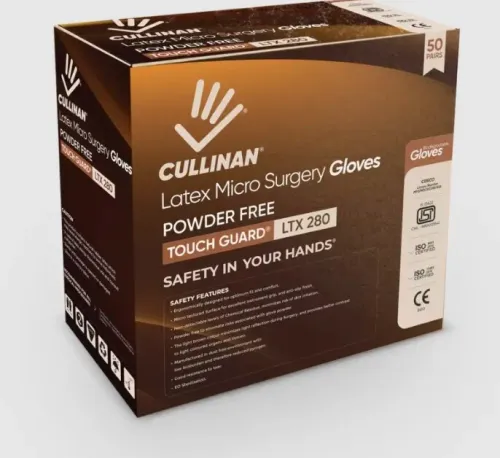
 | Cullinan Micro Surgery Gloves - Powder Free Premium Latex Micro Surgical Gloves Powder Free Designed for precision, our latex powder-free micro surgery gloves feature a narrow thickness for... View product → |
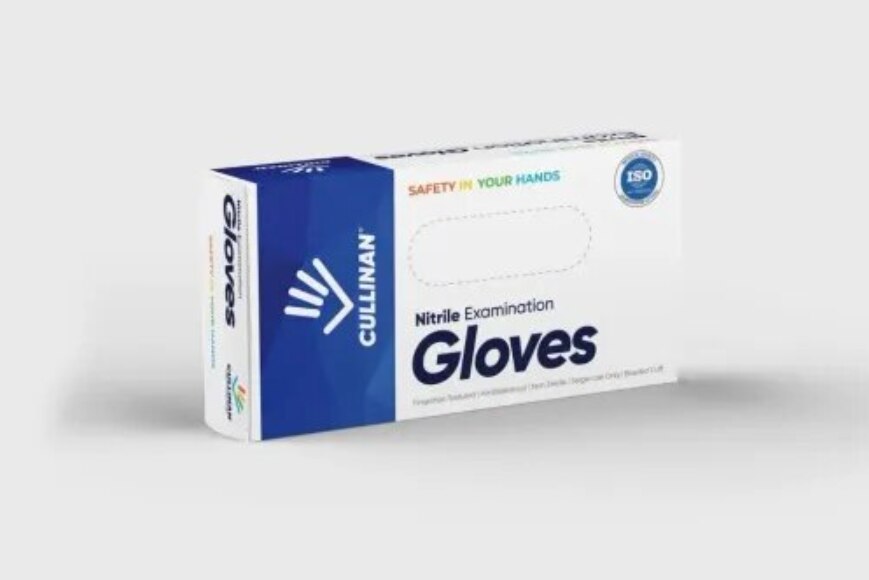
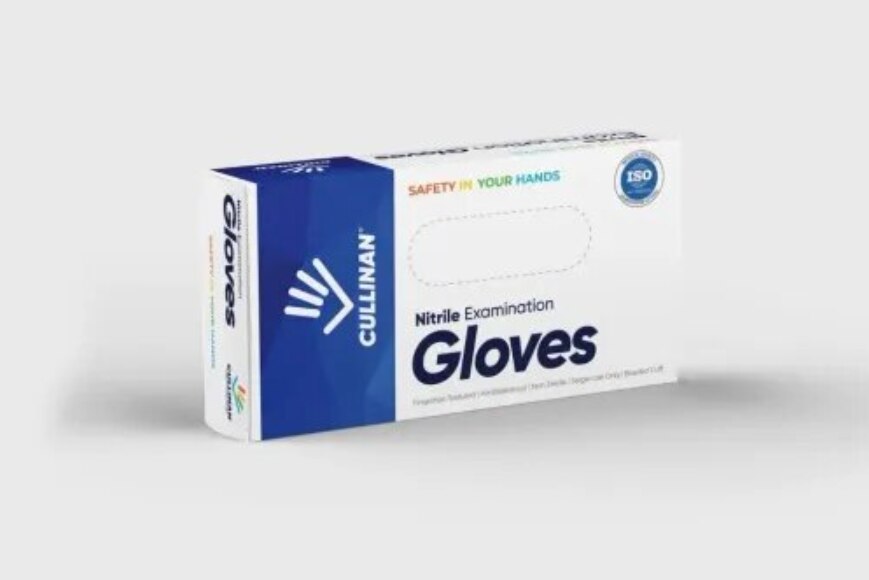
 | Cullinan Nitrile Examination Gloves Cullinan Nitrile Examination Gloves AK Health Tech Pvt. Ltd. is a leading Manufacturer of Nitrile Examination Gloves Powder Free in India, offering high-quality gloves designed for... View product → |
Keywords