Stockouts, short-dated cartons, inconsistent sizing and emergency purchases usually begin with weak specifications and incomplete inventory data, not with one late delivery. Hospital teams can correct the problem by measuring department-level use, setting evidence-based reorder points, comparing quotations on total usable cost and controlling every lot from receipt to ward issue.
Key takeaways
- Review 8–12 weeks of orders, deliveries, rejections and ward complaints before changing suppliers.
- Set reorder points by department demand, supplier lead time and clinical risk.
- Compare usable cost, specifications, expiry, lot traceability and rejected-pack rates.
- Trial gloves with nurses and clinicians before relying on them during an emergency.
Diagnose the Failure Before Changing Suppliers
Do not change suppliers until you identify whether the failure is purchasing, delivery, storage, quality, or demand. Review the last 8–12 weeks of requisitions, purchase orders, delivery notes, receiving records, rejection reports and ward issues. This separates genuine examination glove supply issues from poor forecasting or weak stock control.
1. Match every order against the approved specification: exact model, nitrile material, size, sterile or non-sterile status, gloves per box, cartons per case, required standard such as ASTM D6319 or ISO 11193-1, and the required test report or certificate of conformity. A brand name is not a specification.
2. Compare the promised delivery date with the date each ward received usable stock. Record partial deliveries, damaged cartons, short expiry, missing sizes and rejected units. A supplier delivered on time has not solved the problem if half the order fails receiving inspection.
3. Split consumption by emergency, outpatient, isolation, high-risk procedures and routine care. Compare each category with actual issues, not the monthly average; a rising emergency draw can expose a planning failure that looks like supplier unreliability.
4. Test fit with nurses, clinicians and laboratory staff. Record inconsistent sizing, cuff tearing, fingertip sensitivity, sweating, skin reactions and compatibility with disinfectants. A glove that passes leakage testing still fails if users reject it or cannot work safely.
5. Check whether sterile and non-sterile stock share catalogue codes or storage locations. In nitrile glove procurement in Noida, that error can cause the wrong product to reach a procedure and trigger emergency purchasing.
Set Reorder Points by Department, Lead Time and Risk
Set each department’s reorder point from daily consumption, supplier lead time, lead-time variation and a separate emergency reserve. A monthly average alone will stock out when the emergency department, outpatient clinic or isolation ward suddenly uses more gloves.
- Record issued nitrile gloves by department and size for at least 8–12 weeks. Separate routine examinations, high-risk procedures, isolation use and emergency consumption.
- Calculate average daily use from those records, then multiply it by the supplier’s actual lead time in days.
- Add safety stock for lead-time variation. Use more cover when deliveries range from 5 to 12 days than when they arrive consistently in five.
- Add an emergency reserve based on the largest credible surge, not an arbitrary percentage. Keep that reserve untouched except during a declared shortage or demand spike.
- Set the reorder point as: average daily use × lead time + safety stock + emergency reserve.
For example, a ward using 180 gloves daily with a 7-day lead time needs 1,260 gloves before safety stock or surge cover. If its safety stock is 540 and emergency reserve is 900, reorder at 2,700 gloves.
Review the calculation monthly and after outbreaks, service expansion or supplier delays. Set separate minimums for each size; excess large gloves cannot solve a shortage of small gloves. For hospital examination gloves in Noida, keep non-sterile examination stock separate from sterile surgical gloves in the catalogue, warehouse and purchase order.
Do not count sterile stock as routine examination-glove cover.
Compare Quotations on Usable Cost and Written Specifications
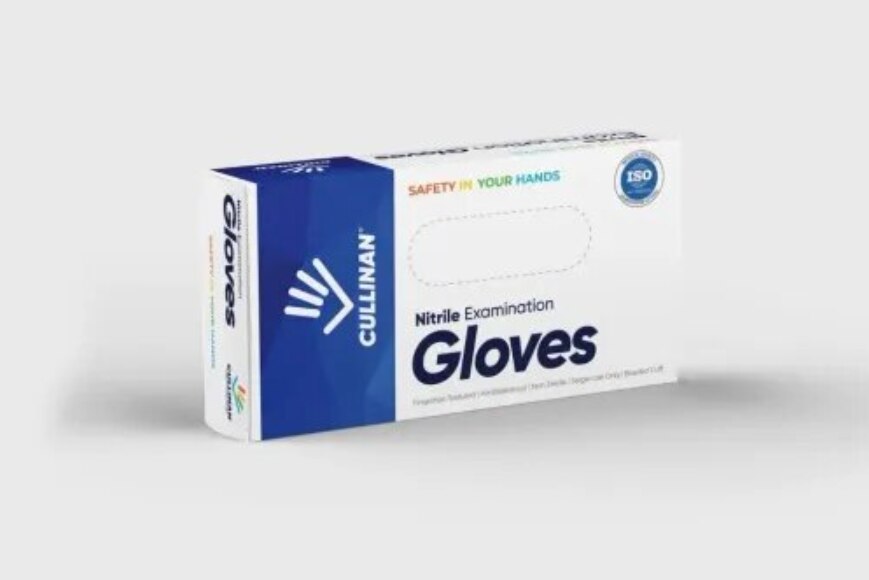
The search phrase cullinan nitrile examination glove for procurement problems hospitals in noida should lead to measurable criteria, not become the specification. Name the exact model, non-sterile examination-glove status, sizes, packaging, delivery location, and acceptance conditions in the purchase order; “nitrile” and “latex-free” do not define barrier performance.
Include these requirements before requesting prices:
- ASTM D6319 or ISO 11193-1 compliance, supported by a test report, certificate of conformity, or both.
- Powder-free construction, palm width, finger dimensions, cuff length, and the required size range.
- Pre-award samples and a controlled trial covering wet-hand donning, cuff tearing, fingertip sensitivity, sweating, skin reactions, size consistency, and compatibility with hospital disinfectants.
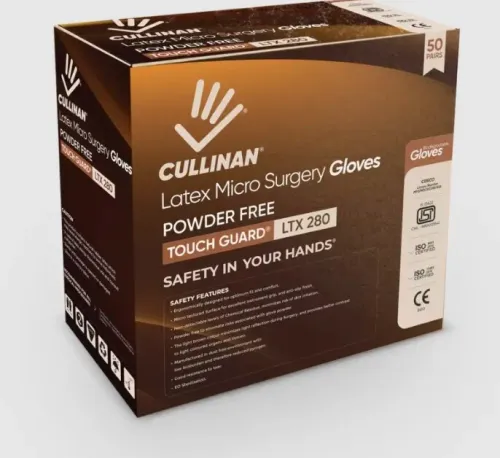
- Separate catalogue lines and quotations for non-sterile examination gloves and sterile surgical gloves. A clean non-sterile glove is not a sterile surgical glove.
- Lot number, manufacturing and expiry dates, minimum remaining shelf life at delivery, carton quantity, gloves per box, freight, taxes, rejected-unit replacement, and partial-delivery terms.
Compare quotations by usable glove cost, not box price. A lower quote fails if it contains fewer gloves, shorter expiry, more rejected units, or costly freight.
| Quoted item | Verify before award | Cost or risk effect |
|---|---|---|
| Exact model and size | Match sample, dimensions and size consistency | Prevents substitution and poor fit |
| Pack and carton count | Confirm gloves per box and cartons per case | Converts price to cost per usable glove |
| Delivery and shelf life | Record lead time and minimum expiry remaining | Reduces emergency buying and wastage |
| Quality remedy | Require lot rejection and replacement terms | Limits loss from failed inspection |
Control Receiving, Expiry and Lot Traceability
Do not put a delivery into usable stock until stores staff match the purchase order to the carton and inner boxes. A search for cullinan nitrile gloves hospitals is not a specification: record the approved manufacturer, exact model, glove size, ASTM D6319 or ISO 11193-1 reference, powder-free status and packaging format.
Check every received lot for:
- Intact, dry cartons with no crushing, water marks, punctures or opened seals
- Manufacturer lot or batch number, manufacture date and expiry date
- Correct size, quantity per box and boxes per carton
- Legible product name and model matching the purchase order
- Package seals, inner-box condition and visible contamination or discolouration
- Remaining shelf life against the hospital’s acceptance limit
Quarantine cartons with missing lot details, damaged packaging, wrong sizes, short quantity or inadequate expiry. Do not reject every delivery from that supplier because one lot fails; isolate the affected lot and record the inspection decision.
Traceability works only if each issue carries the lot number. Store staff should scan or enter the lot, size, quantity and expiry when receiving, then record the same details against each ward, department, issue date and quantity. Keep ward stock cards or an electronic issue register, and require returns to retain lot identity.
If a complaint reports tearing, skin reaction or poor fit, search the register for that lot and list every recipient ward. Stop further issues, quarantine remaining stock, notify infection control and the supplier, and document replacements separately. Examination gloves are not sterile surgical gloves; never substitute them under a generic “medical gloves” description.
Qualify the Glove Through User Trials Before an Emergency
Approve an alternate only after staff confirm performance in the work it will do, not after procurement compares a catalogue photograph or one nominal sample. Hospital examination gloves in Noida need evaluation by nurses, phlebotomists, laboratory staff and clinicians who handle patients, instruments and disinfectants.
1. Define the use: examination, phlebotomy, cleaning, laboratory handling or routine procedures. Keep non-sterile examination gloves separate from sterile surgical gloves; a clean non-sterile glove is not suitable for a sterile procedure.
2. Trial the proposed glove across every required size. Check palm width, finger length, cuff length, size consistency, fingertip sensitivity and donning with wet or gloved hands.
3. Record failures during realistic tasks. Note tearing at the cuff, punctures, loss of grip, sweating, skin reactions and damage after contact with each disinfectant used in the department.
4. Repeat the trial using samples from more than one lot. Approve equivalence only when the alternate matches the incumbent’s fit, task performance, packaging and acceptance results, not merely its nitrile material.
For nitrile glove procurement in Noida, write the approved exact model, sizes, packaging, lot requirements and rejection rules into the purchase order. Name ASTM D6319 or ISO 11193-1, and require a test report, certificate of conformity or both.
If Ak Health Tech Private Limited is considered, evaluate its offered model against those same recorded criteria rather than approving the supplier name.
Related product
 | Cullinan Nitrile Examination Gloves Cullinan Nitrile Examination Gloves AK Health Tech Pvt. Ltd. is a leading Manufacturer of Nitrile Examination Gloves Powder Free in India, offering high-quality gloves designed for... View product → |
Frequently asked questions
How can a Noida hospital diagnose nitrile examination glove procurement problems?
Review the previous 8–12 weeks of requisitions, purchase orders, delivery notes, receiving records, rejection reports and ward issues. Classify each failure as purchasing, delivery, storage, quality or demand-related before changing suppliers.
How should hospitals set reorder points for examination gloves?
Calculate demand separately for each department, then account for supplier lead time, delivery variability, safety stock and the clinical risk of running out. High-use or high-risk departments need earlier reorder triggers.
What should hospitals compare in nitrile glove quotations?
Compare usable cost rather than carton price. Check glove count, sizes, thickness, accelerator or latex status, certifications, packaging, expiry period, delivery terms and the supplier's written specifications.
How can hospitals control glove expiry and lot traceability?
Record the supplier, batch or lot number, receipt date, expiry date, quantity and storage location at receiving. Store cartons under the labelled conditions, issue older stock first and retain delivery and rejection records.
Keywords