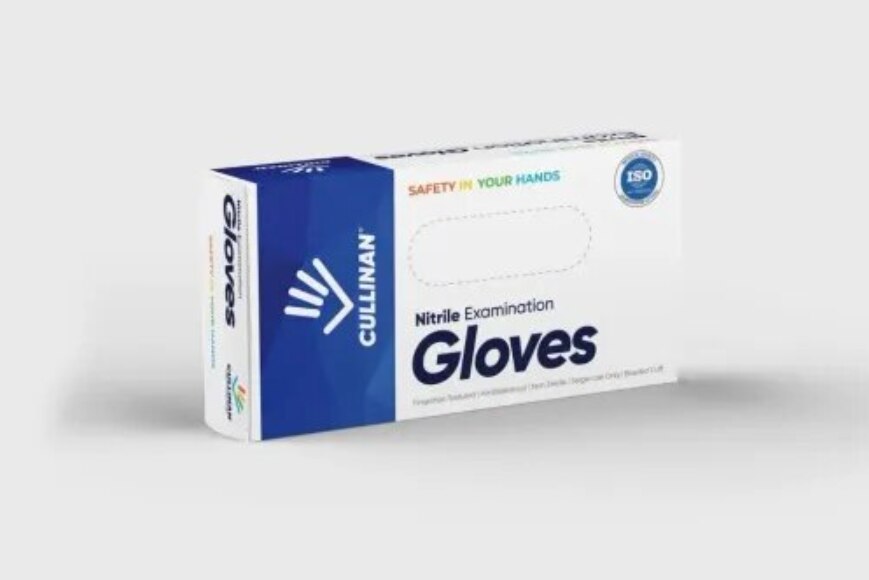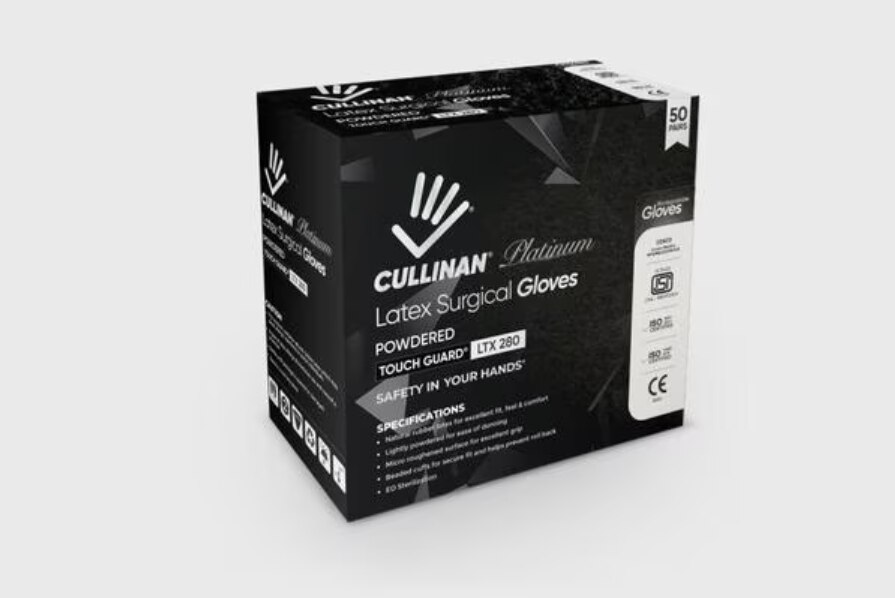
A safe order requires more than naming Cullinan Platinum: you must define the exact glove, confirm its intended use, review evidence, and control substitutions through delivery. By the end, you will know what information to send, which documents to request, how to assess samples, and how to inspect the received shipment.
Key takeaways
- Start with the exact catalogue reference, SKU, glove type, and destination market.
- Compare prices only after confirming size range, sterility, powder status, and packaging.
- Request samples, lot documents, and certificates before placing a production order.
- Inspect seals, labels, cartons, and batch records when the shipment arrives.
The purchase starts with an exact product enquiry
Start with the exact catalogue reference or SKU, because “Cullinan Platinum” alone does not establish whether you need a sterile surgical glove or an examination glove. In what happens during a Cullinan Platinum glove purchase, the platinum surgical glove purchase process begins with a written enquiry that defines the product, use, and destination market.
Provide:
1. Glove type: sterile surgical or examination; intended procedure or application; and the applicable market, such as India, the United States, or the European Union.
2. Technical specification: material, size range, cuff length, anatomical or straight fit, surface texture, thickness, colour, powder-free or powdered finish, and any required AQL claim.
3. Packaging and quantity: paired left/right sterile gloves or individually usable examination gloves, unit count, inner pack, case quantity, and total order volume.
4. Delivery requirements: destination, required delivery date, storage or transport constraints, and whether partial shipments are acceptable.
5. Documentation needs: sterility method, shelf life, lot identification, conformity evidence, and label details matching the quoted SKU. For surgical gloves, ask whether ISO 10282 applies; for examination gloves, ask whether ISO 11193-1 applies.
Request that the quotation identify every substitution, back order, manufacturing site, sterilization method, or packaging change. A similar-looking glove is not an approved replacement, especially when its sterility claim or regulatory status differs.
Confirm the specification before comparing prices
“Cullinan Platinum” identifies a range, not a complete order. Before comparing prices, confirm whether the quoted item is a sterile surgical glove or an examination glove, because ISO 10282 applies to sterile rubber surgical gloves while ISO 11193-1 covers medical examination gloves.
Quotation and purchase order must carry the same details:
| Detail | Quotation must state | Purchase order must lock |
|---|---|---|
| Exact identity | Catalogue or SKU reference and intended use | The approved SKU; no unapproved substitute |
| Glove construction | Material, latex status, anatomical or straight fit, cuff length, thickness, texture, colour, size range, and AQL claim | The accepted values and tolerances |
| Powder and sterility | Powdered or powder-free finish, sterile status, sterilisation method, and sterile-barrier format | Both statuses separately, plus required evidence |
| Packaging | Gloves per inner pack, packs per carton, carton markings, and shelf-life requirement | Quantities, packaging configuration, expiry limit, and lot traceability |
| Market compliance | Target regulatory market and named conformity standard | Required declarations, labels, and documents |
A powder-free platinum glove order must specify powder-free finished, packaged gloves—not “low-powder” or polymer-coated gloves. Request the powder-residue specification and test evidence addressing EN 455-3. Do not infer latex-free status from “platinum” or “premium”; require the material declaration and latex warning details.
If you plan to buy cullinan platinum surgical gloves, state that substitutions in size, material, sterility, powder status, packaging count, sterilisation method, or manufacturing site require your written approval.
Choose powder status according to the procedure and policy
A powder-free finish is appropriate when the procedure, facility policy, or target market prohibits loose glove powder. Place a powder free platinum glove order only after confirming that the finished, packaged glove meets the manufacturer’s powder-residue specification; “low-powder” and “polymer-coated” do not prove powder-free status. Request evidence aligned with EN 455-3.
| Option | Appropriate use | Purchasing check |
|---|---|---|
| Powder-free platinum glove order | Surgery, examination, laboratory, or any policy requiring no powder residue | Confirm powder-residue results, material, latex status, and finished-pack declaration |
| Powdered platinum glove order | Only where the procedure and destination market explicitly permit powder | Confirm the powder type, amount, policy approval, and legal status before quotation |
| Powder-free but nonsterile glove | Nonsterile examination or industrial work | State nonsterile status; do not substitute it for a sterile surgical glove |
| Sterile, powder-free glove | Invasive procedures requiring a sterile barrier | Specify sterilization method, sterile packaging, lot number, and expiry |
A powdered platinum glove order is unsuitable for U.S. patient-contacting medical use: the FDA’s 2016 rule banned powdered surgeon’s gloves, powdered patient-examination gloves, and absorbable powder used to lubricate surgeon’s gloves because of inflammation, granulomas, and postoperative adhesions. Confirm latex separately; “platinum” and “powder-free” do not mean latex-free.
Require the applicable latex warning and allergy-control information when natural-rubber latex is present.
Review samples and lot-level documents before commitment
A sample is not representative if its SKU, material, sterile status, or packaging differs from the quoted glove. Before you buy Cullinan Platinum surgical gloves, record the catalogue reference and compare the sample with the quotation line by line.
1. Check the glove itself for material, size, cuff length, anatomical fit, surface texture, thickness, colour, visible defects, and tears. Put on gloves from several sizes and inspect freedom of movement, cuff roll-down, and fingertip fit.
2. Check the pack for the lot number, expiry date, sterile-barrier configuration, sterilization method, quantity, and intact seals. Powder-free wording must describe the finished packaged glove, not merely a low-powder or polymer-coated design.
3. Request the lot-specific certificate of analysis, conformity or compliance declaration, sterilization record, shelf-life evidence, and test reports. For a powder free platinum glove order, ask for the manufacturer’s powder-residue specification and EN 455-3 evidence.
4. Match the claimed use to the standard: ISO 10282 covers single-use sterile rubber surgical gloves, while ISO 11193-1 covers single-use medical examination gloves made from rubber latex or rubber solution. Ak Health Tech Private Limited should identify which claim and standard apply to the exact SKU, not just the product family.
5. Confirm the AQL, leak-test method, inspection level, sample plan, and acceptance limit. An AQL is a sampling criterion, not a zero-defect promise. Release the purchase order only when every document identifies the same glove, lot, and packaging configuration.
Related products
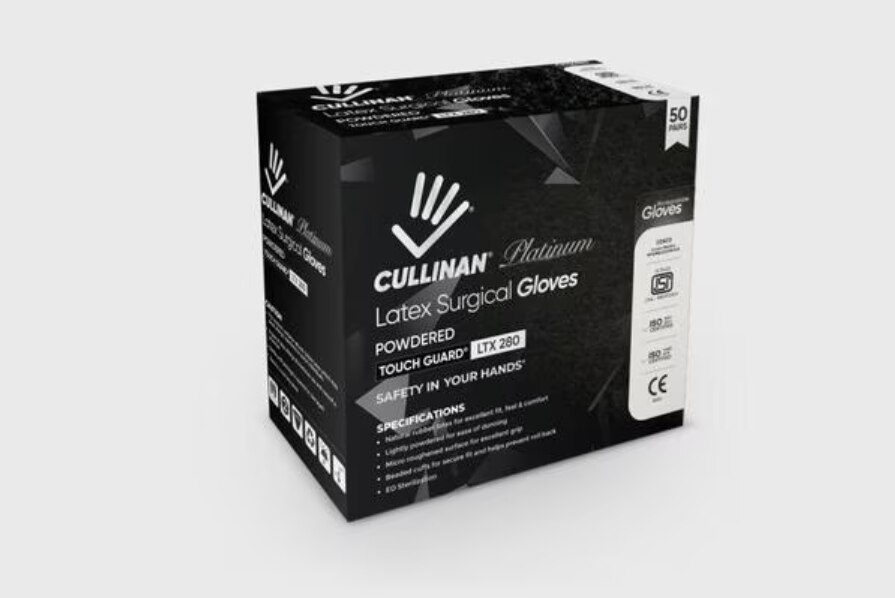
 | Cullinan Platinum Surgical Gloves - Powdered Are you searching for Platinum Surgical Gloves Manufacturer in India Then AK Health Tech is Best Choice for you Platinum Surgical Gloves Powdered. View product → |
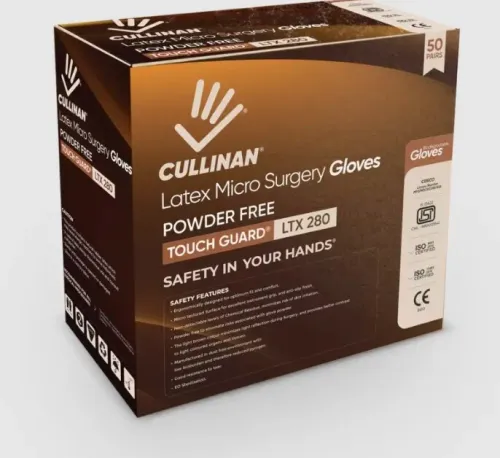
 | Cullinan Platinum Surgical Gloves - Powder Free Are you searching for Platinum Surgical Gloves Manufacturer in India Then AK Health Tech is Best Choice for you Platinum Surgical Gloves Powder Free. View product → |
Control production, dispatch, and receipt inspection
After the purchase order, obtain written confirmation of the exact SKU, production allocation, manufacturing site, quantity, delivery date, and approved specification. The platinum surgical glove purchase process should also record any back order or substitution; do not accept changes to size, material, powder status, sterility, packaging count, sterilization method, or site without approval.
- Request pre-dispatch evidence: lot number, certificate of conformity, inspection results, sterilization record, expiry date, and the final package artwork. Confirm that the certificate identifies the ordered SKU rather than a similar product.
- For a powder free platinum glove order, verify powder-free status for the finished, packaged glove. Ask for the manufacturer’s powder-residue specification and EN 455-3 test evidence; “low-powder” or “polymer-coated” does not prove powder-free status.
- Check the dispatch against the order: glove material and latex warning, size range, cuff length, anatomical fit, texture, thickness, colour, AQL claim, sterile status, sterilization method, sterile-barrier format, and units per box and carton.
- On receipt, quarantine damaged or wet cartons. Compare carton, box, and pouch labels with the approved SKU, lot number, quantity, manufacture date, expiry date, and sterilization mark; sample pouches for intact seals, correct size, visible defects, and glove count.
A powdered platinum glove order requires a separate regulatory decision. In the United States, FDA’s 2016 rule banned powdered surgeon’s gloves and powdered patient-examination gloves, so reject that configuration unless a regulatory specialist documents a lawful exception.
Frequently asked questions
What should you include in a Cullinan Platinum glove enquiry?
State the exact catalogue reference or SKU, surgical or examination use, sizes, quantity, powder status, sterility, packaging, destination market, and required delivery date.
Why confirm the specification before comparing prices?
A lower price can reflect a different glove type, powder status, sterility level, size mix, packaging format, or documentation package.
How do you choose between powder-free and powdered platinum gloves?
Choose powder-free gloves when your procedure or infection-control policy requires them. Order powdered gloves only when the intended use and policy permit powder.
What should you review before committing to a glove order?
Review samples, product labels, lot or batch identification, certificates, inspection records, shelf-life information, and packaging details before approval.
What should you check when the gloves arrive?
Match the shipment to the purchase order, then inspect carton labels, quantities, seals, packaging damage, batch numbers, expiry dates, and document completeness.
Keywords