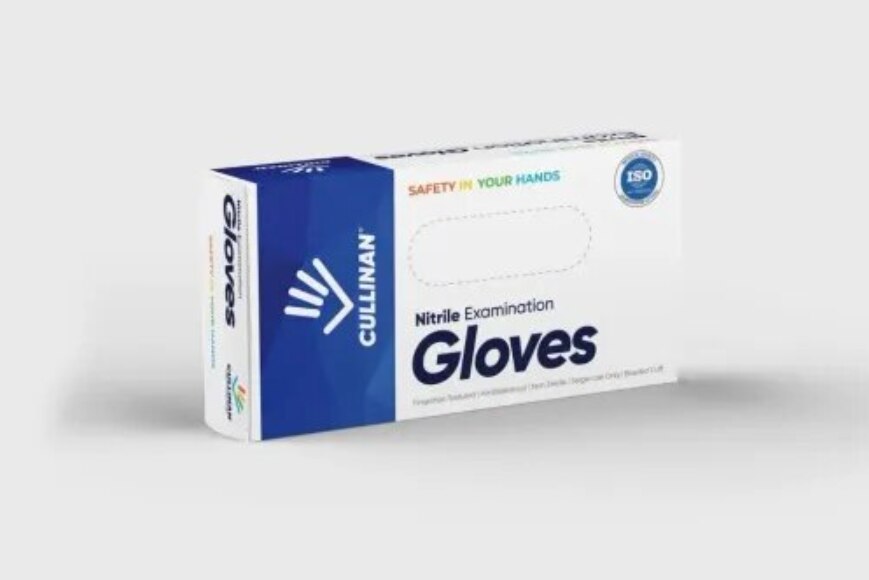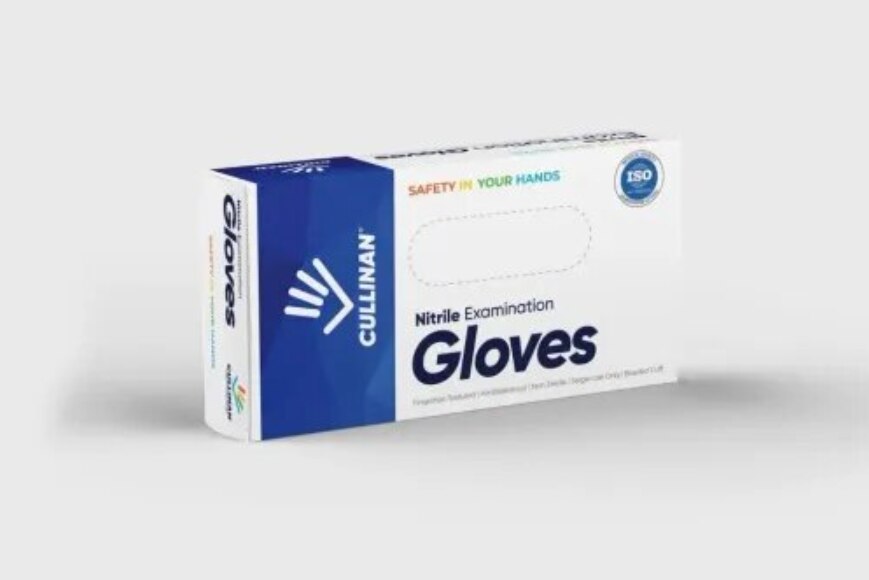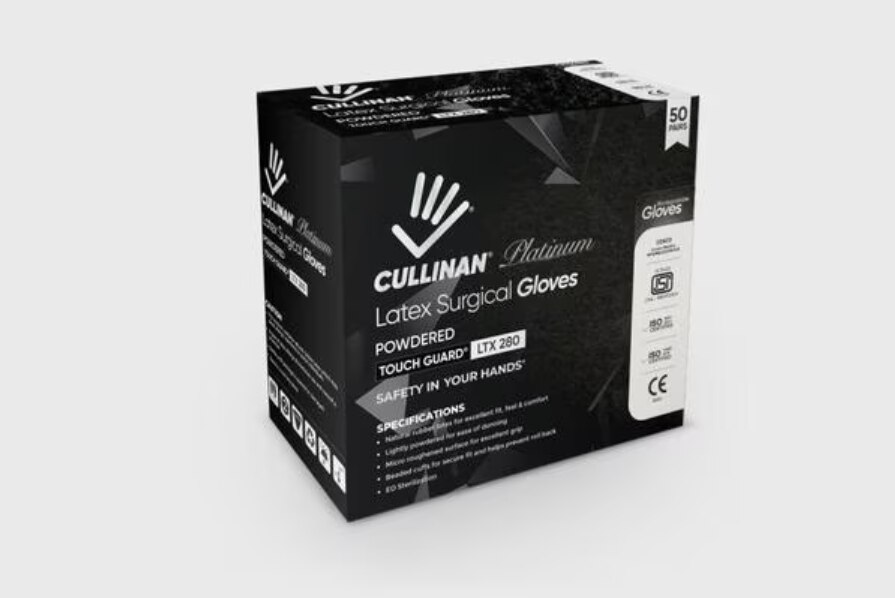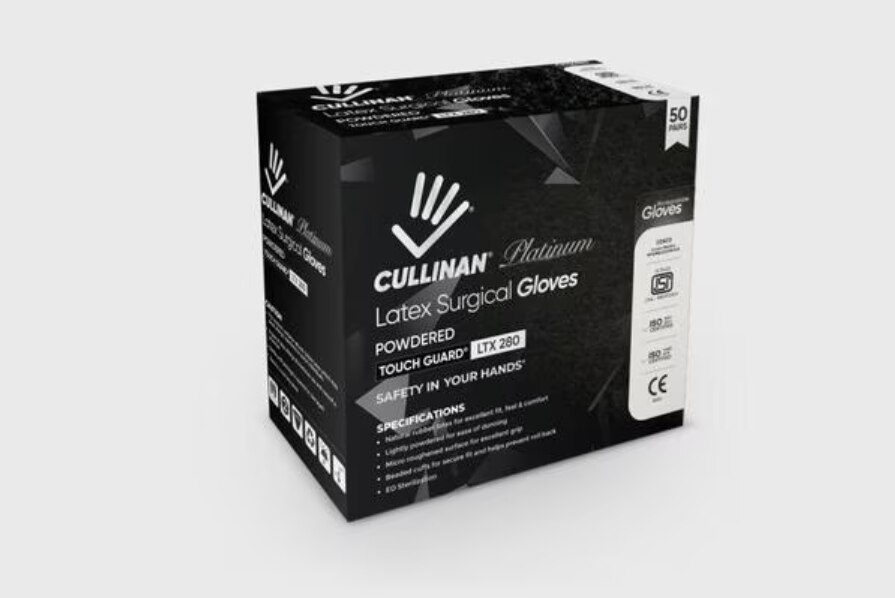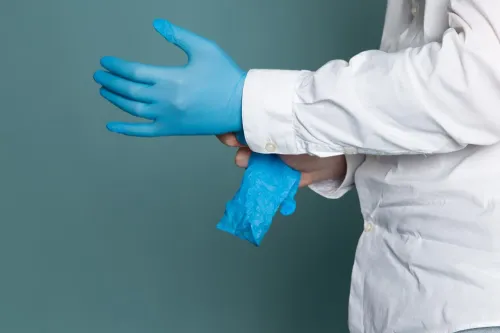
A powdered glove is easier to put on, but powder is not the same as a high-grip surface. Before changing a laboratory’s glove specification, test wet and dry handling, confirm the material and finish, check fit, and verify whether powder creates contamination or documentation problems.
Key takeaways
- Powder helps donning, not reliable grip on wet laboratory surfaces.
- Choose textured nitrile or latex with the correct fingertip and palm finish.
- Test gloves with wet tubes, forceps and pipettes before placing an order.
- Choose powder-free gloves when contamination control outweighs easier donning.
What does “more grip” mean with powdered Cullinan gynaecological gloves?
More grip does not mean more powder. Powder is a donning lubricant that helps the glove slide over dry hands; it does not define the glove’s external texture. A powdered glove can still have smooth palms and fingertips, and powder does not reliably increase friction against wet glassware, specimen containers, forceps, pipettes or capped tubes.
Before blaming the glove, record the handling condition:
- Dry-glove slippage during pipetting or specimen transfer
- Wet instruments, containers or tube caps
- Condensation on equipment or benches
- Perspiration inside the glove
- Repeated glove changes or pull-off during work
- One particular instrument or surface causing rotation
When powder meets moisture, it can form a paste and make controlled handling less predictable. Powder can also transfer to labels, slides, benches, instruments, swabs and specimens; donning and removal can release airborne particles. Powder-free removes that lubricant, but it does not automatically create high grip.
Ask for the external finish separately. Look for textured, micro-roughened or grip-patterned palms and fingertips in the specification, then test samples during the exact task. A powdered glove has not solved cullinan gynaecological gloves powdered grip problems until it performs better under those conditions.
For searches such as cullinan gynaecological gloves for powdered when laboratories need more grip in noida, separate donning ease from controlled handling.
Which material, finish and size produce reliable handling?
Latex usually conforms closely and gives elastic tactile feedback; nitrile avoids natural-rubber-latex exposure. Neither guarantees wet grip. Compare the outer texture, finger shape, palm finish, thickness, cuff length and available sizes before treating a Cullinan name or powdered label as a grip specification.
| Option | Handling benefit | Check before approval |
|---|---|---|
| Natural-rubber latex | Stretch and close tactile conformity | Confirm latex is acceptable; test wet instruments |
| Nitrile | Avoids natural-rubber-latex exposure | Test fingertip feel, thickness and wet grip |
| Textured fingers and palm | More contact with forceps, tubes and glassware | Reject a smooth finish if objects rotate |
| Long cuff | Covers more forearm | Test with the actual sleeve; excess material can bunch, catch equipment or pull the glove out of position |
| Correct size | Reduces wrinkles, tension and hand fatigue | Measure palm width across the knuckles and follow the supplier’s chart |
A glove is too loose when fingertips wrinkle, forceps rotate inside the fingers or the cuff slides. It is too tight when fingertips stay under tension, the thumb pulls across the palm or the cuff leaves pressure marks.
Powder can reduce donning drag and conceal a poor fit, so compare fingertip control, pull-off resistance and fatigue during pipetting and specimen transfer. Those checks address Cullinan gloves handling problems more reliably than the phrase powdered gloves grip laboratory in Noida.
Confirm laboratory or examination use separately: “gynaecological” does not prove sterile, surgical or suitable for invasive work.
How can a Noida laboratory test grip before ordering?
Approve samples through a repeatable trial, not a single impression. To investigate cullinan gloves handling problems, inspect hands for lotion, disinfectant residue and perspiration; wash and dry them, then repeat the test. Check whether the package or glove is wet, clumped, sticky or past its stated shelf life.
| Condition | What to test | What the result suggests |
|---|---|---|
| Dry hands and dry objects | Glassware, capped tubes, forceps, pipettes and labelled slides | Slippage points to fit, texture or technique |
| Wet hands or wet objects | Repeat every task separately | Object-only failure points to surface finish or condensation |
| Powdered sample versus same-size textured powder-free sample | Use identical operators and tasks | Better powder-free control supports a powder-transfer or surface problem |
- Use the same operators across shifts, with dry and wet hands, then dry and wet object surfaces.
- Record fingertip slippage, rotation, tearing, powder transfer, label damage, loss of control and glove changes per task.
- Include donning, five to ten minutes of representative work, removal and visual inspection for tears.
- If only some users struggle, check size and technique; if only wet objects slip, investigate condensation and finish.
- Treat powder on specimens or equipment as a contamination-control failure, even when handling feels easy.
- Keep photographs and trial records with sample approval so procurement can challenge inconsistent batches.
This trial separates cullinan gynaecological gloves powdered grip problems from residue, fit and operator effects before ordering.
What should you verify before purchasing powdered gloves in Noida?
Before ordering, require a traceable lot and evidence that matches the exact glove specification. For powdered gloves, grip in a laboratory in Noida depends on the task, not the catalogue name.
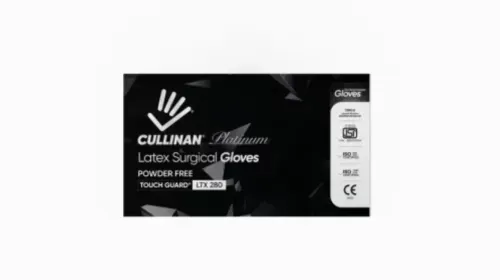
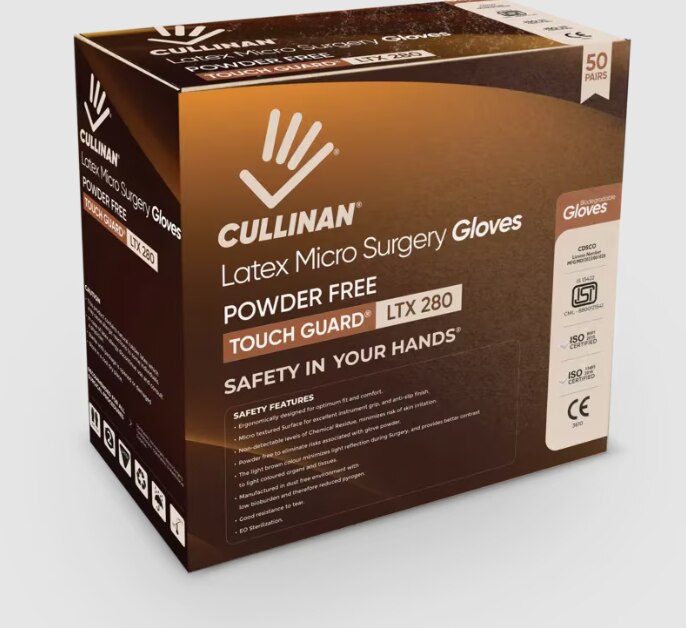
Ask Ak Health Tech Private Limited to identify the precise gynaecological glove specification instead of assuming Cullinan Gold or Platinum has the required finish or status.
- Request the product specification sheet, certificate of conformity, delivered-lot certificate of analysis or test results, batch traceability, and declared Indian regulatory documentation.
- Confirm latex or nitrile, powdered or powder-free, sterile or non-sterile status, intended use, cuff length, dimensions, size tolerance, expiry or shelf life, storage instructions, AQL or freedom-from-holes result, and applicable test standard.
- Inspect each box for manufacturer details, lot or batch number, size, quantity, expiry date, and storage conditions. A catalogue image proves neither sterility nor barrier performance.
- Approve samples across shifts, check delivery packaging, define replacement handling for defects, and record supplier response times.
- If powder is allowed, record that permission in the laboratory SOP. Require a documented reason before approval for molecular, microbiological, cleanroom, or trace-evidence work.
| Evidence | Powdered | Powder-free |
|---|---|---|
| Donning | Easier over dry hands | More hand friction |
| Contamination | Powder can transfer to specimens and equipment | Avoids lubricant residue |
| Approval | Require documented permission | Prefer where particulate control matters |
When is powder-free the better choice for laboratory handling?
Choose textured powder-free latex when users have no latex sensitivity and the trial confirms fit, fingertip control and wet handling. Choose powder-free nitrile when natural-rubber-latex exposure must be avoided, then test fingertip feel and resistance against the actual forceps, pipettes, tubes and instruments. Powder-free does not automatically mean high-grip.
The search phrase cullinan gynaecological gloves for powdered when laboratories need more grip in Noida points to a comparison, not a product-name decision. “Powdered gloves grip laboratory in Noida” is not proof that powder improves friction; powder mainly makes dry hands easier to insert and can become paste when wet.
| Option | Best fit | Check before approval |
|---|---|---|
| Textured powder-free latex | No latex sensitivity; tactile conformity matters | Wet/dry grip, size and outer texture |
| Powder-free nitrile | Natural-rubber-latex exposure must be avoided | Fingertip feel, instrument resistance and tearing |
| Sterile powder-free surgical gloves | A procedure requires a sterile surgical barrier and supporting documents | Sterility evidence, cuff length and task-specific fit |
| Non-sterile examination or laboratory gloves | Routine handling without a sterile surgical requirement | Never treat them as surgical equivalents |
A contamination-sensitive laboratory may reject powder because residue can reach specimens, tubes, swabs, instruments and work surfaces. Set the change rule for:
- Visible contamination or powder transfer
- Torn cuffs or loss of fit
- Wet interiors, perspiration or uncontrolled slippage
Keep powdered and powder-free separate in purchase requests, stock labels and supplier communications. Match material, texture, fit, cuff length, sterility, contamination controls and task performance—not “powdered” or the Cullinan name alone.
Frequently asked questions
Does powder give Cullinan gynaecological gloves more grip?
No. Powder acts as a donning lubricant and does not create external texture. Check the palm and fingertip finish for grip.
Which glove features improve handling in a laboratory?
Compare latex or nitrile material, textured fingertips or palms, cuff fit and the correct size. Match the finish to wet and dry tasks.
How can a Noida laboratory test grip before ordering?
Request samples and handle wet glassware, specimen containers, forceps, pipettes and capped tubes. Record slippage, tearing, dexterity and powder transfer.
When is powder-free better for laboratory handling?
Choose powder-free gloves when residue, specimen contamination, skin irritation or interference with processes matters more than easier dry-hand donning.
Keywords