
Sterile orthopedic gloves lose their protection when heat, moisture, light, compression, or damaged packaging compromises the product or its sterile barrier. You will be able to set up a safe storage area, rotate stock by expiry and lot, read the carton and pouch, and quarantine packs that cannot be trusted.
Key takeaways
- Follow the temperature printed on the Cullinan label and instructions for use.
- Keep cartons dry, shaded, ventilated, and away from chemicals and ozone sources.
- Stack cartons without crushing or bending the sterile pouches.
- Use first-expiry-first-out rotation and quarantine damaged or suspect packs.
Confirm the Labelled Temperature Before Storing the Carton
Use the temperature range printed on the Cullinan product label and instructions for use; do not assume that every latex surgical glove has the same validated limit. Those instructions govern unopened cartons and sterile pouches.
| Condition | Required decision | Why it matters |
|---|---|---|
| Labelled range | Store only within the printed minimum and maximum | The sterile barrier and glove material were validated for defined conditions |
| Below 10°C | Compare the exposure with the label before release; do not approve automatically | A lower temperature may fall outside the validated range |
| Above 30°C | Review the label, duration, and lot history before release | Heat can damage elastomeric material and packaging |
| Freezing or prolonged heat | Quarantine the affected lot and escalate to infection-prevention or materials-management staff | Freezing and heat exposure can compromise performance or the sterile barrier |
| Unknown excursion | Keep the lot quarantined until assessed | A normal-looking glove does not prove acceptable storage |
For how to store Cullinan orthopedic gloves powder free, maintain a clean, dry, temperature-controlled area and record any excursion. Powder-free status is a product designation, not a preservation method. Do not add powder, talc, cornstarch, lubricant, or disinfectant; these substances can contaminate the pack, alter the glove surface, or create compatibility problems.
This is essential orthopedic glove storage guidance: if freezing, prolonged heat, or temperatures below 10°C or above 30°C occurred, do not release the stock until the labelled limits and exposure history have been reviewed.
Control Light, Moisture, Air, and Chemical Exposure
Store Cullinan gloves in a clean, dry, temperature-controlled room, away from direct sunlight, ultraviolet light, strong fluorescent lighting, heaters, steam, windows, sinks, sprinkler pipes, and ozone-generating equipment. Light, heat, ozone, and humidity can weaken elastomeric gloves and sterile packaging.
Keep cartons and pouches separate from x-ray equipment, solvents, oils, disinfectants, cleaning sprays, dust, and pest activity. Keep the original carton and sterile pouch sealed until point of use; an open drawer or unsealed bag exposes the sterile barrier even when the glove looks clean. Leave enough space around cartons for inspection and cleaning.
Prevent condensation when moving cold stock into storage:
- Move the sealed cartons into the dry, controlled storage area.
- Leave each carton sealed until it reaches room conditions.
- Inspect the carton and pouches for droplets, dampness, or wet packaging.
- Mark packs exposed to condensation or flooding as QUARANTINED and keep them out of usable stock for infection-prevention or materials-management assessment.
Drying a wet outer surface does not restore the sterile barrier. Quarantine any pack contaminated by disinfectant spray, prolonged heat, or pest activity.
Gold-colored glove material or packaging requires no special preservation method. Color does not establish latex composition, shelf life, or resistance to light and chemicals.
For cullinan gloves care, read the label for natural-rubber-latex content, synthetic material, and latex warnings; do not infer these properties from “gold” or “orthopedic.” This is the core discipline of storing gold surgical gloves safely.
Arrange Cartons Without Crushing the Sterile Barrier
Cartons sit on clean, off-floor shelving with clearance from walls for inspection, cleaning, and stock rotation. Keep enough space between cartons to prevent tight packing, and keep them away from heaters, windows, sinks, hand-washing stations, sprinkler pipes, and splash zones. This is core orthopedic glove storage guidance.
Keep Cullinan gloves in their original sealed cartons and individual sterile pouches until point of use. Do not transfer them to open drawers, bins, or unsealed bags. For how to store cullinan orthopedic gloves powder free, use the same packaging controls; powder-free status does not make the pouch resistant to crushing or contamination.
- Follow the carton’s stated stacking limit; if no limit is printed, avoid stacking that deforms the lower carton.
- Never place heavy boxes, equipment, or supplies on glove cartons.
- Lift cartons without dragging them, and do not bend, fold, or sharply crease them.
- Keep pouch seals flat and free from pressure, tape, clips, or contact with carton edges.
- Before opening, inspect each pouch for crushed corners, punctures, tears, delamination, wetness, or a lifted seal.
An intact glove does not prove that its sterile pouch remains valid. A damaged seal or barrier can lose sterility while the glove still looks clean.
Disposable sterile gloves are single-use devices. Do not reprocess or resterilize one unless the product labelling expressly permits it.
Read Every Carton and Build First-Expiry-First-Out Stock
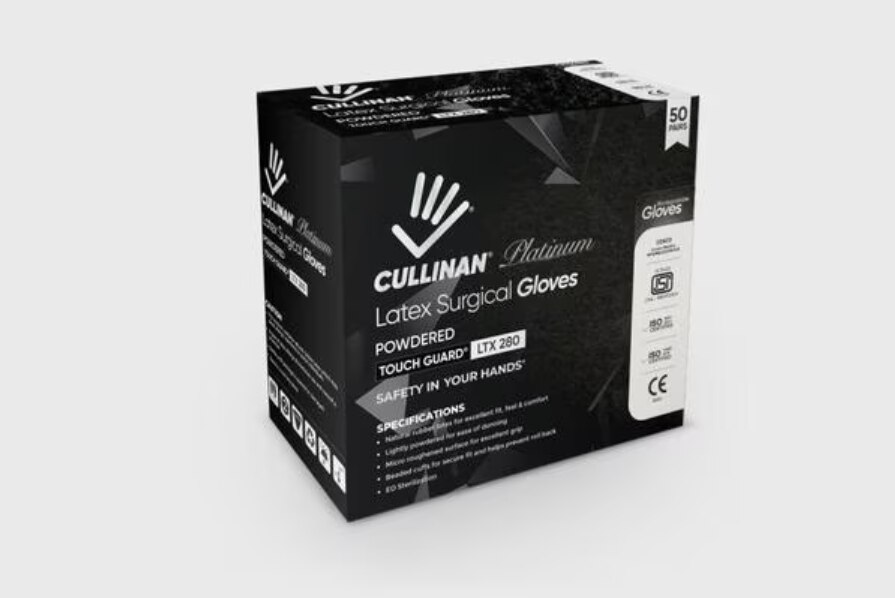
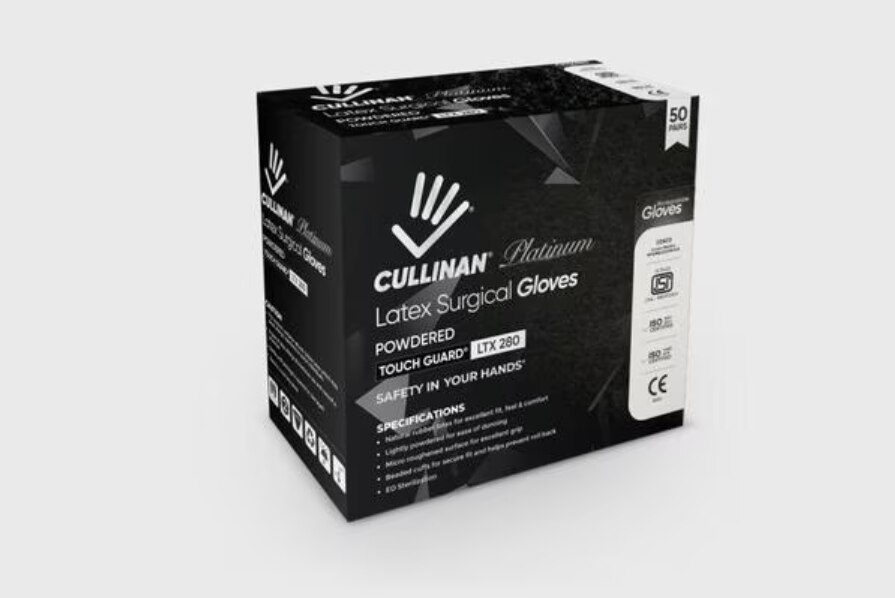
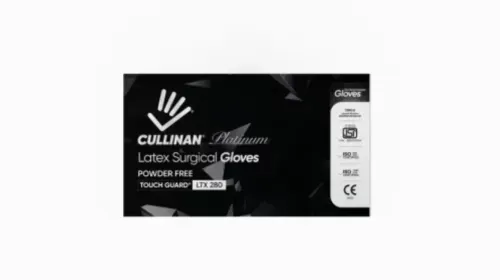
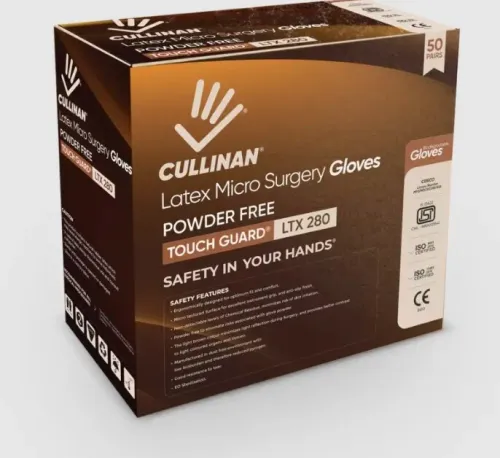
Record receipt date, expiry date, and manufacturing lot or batch number for every carton. Good cullinan gloves care depends on traceability: storing gold surgical gloves without these records allows older or unidentified stock to reach an operating theatre.
| Identifier | Check on carton and inner sterile wrapper | Record or action |
|---|---|---|
| Expiry date | Confirm both dates are legible and have not passed | Rotate earliest expiry to the front |
| Lot or batch number | Confirm the carton and pouch numbers match | Record the number for traceability |
| Glove size | Confirm the stated size matches the order and clinical need | Keep sizes separated |
| Powder status | Confirm “powder-free” or “powdered” designation | Do not substitute between stock locations |
| Sterility statement | Confirm the pack identifies the contents as sterile | Quarantine if absent or contradictory |
| Pack quantity | Confirm the number of pairs or gloves per pack | Reconcile shortages before issue |
Use first-expiry-first-out rotation. Place the earliest-expiring lot at the front, and quarantine any pack with a missing, faded, illegible, or contradictory identifier instead of estimating its identity.
Before issue, compare the carton and pouch identifiers again. The expiry date applies to an unopened pack stored under its labelled conditions; it does not create a safe-use period after opening. Opened or partially used packs must not return to sterile stock.
- Check expiry, lot or batch number, size, powder status, sterility statement, and quantity before opening.
- Mark mismatched or unidentified stock QUARANTINED and notify materials-management or infection-prevention staff.
- Never send a pack to theatre when its sterile status or identity cannot be confirmed.
Inspect, Quarantine, and Escalate Before Use
Quarantine any carton or sterile pouch with damage, contamination, or an uncertain storage history before it reaches the orthopedic procedure room. Do not assume an intact glove proves that its sterile barrier remains valid.
- Inspect for crushed corners, punctures, tears, delamination, wetness, broken or lifted seals, evidence of resealing, faded printing, and pest damage.
- Check for exposure to prolonged heat, disinfectant spray, flooding, or condensation. A dry outer surface does not restore a sterile barrier that became wet.
- Remove suspect packs from usable stock, mark them QUARANTINED, and preserve the carton, lot or batch number, expiry date, size, and photographs of the damage.
- Notify infection-prevention, quality, or materials-management staff. Follow your facility’s device-reprocessing and waste policy for discard or further assessment.
- Do not release packs with missing or illegible identifiers, passed expiry, or unresolved packaging damage.
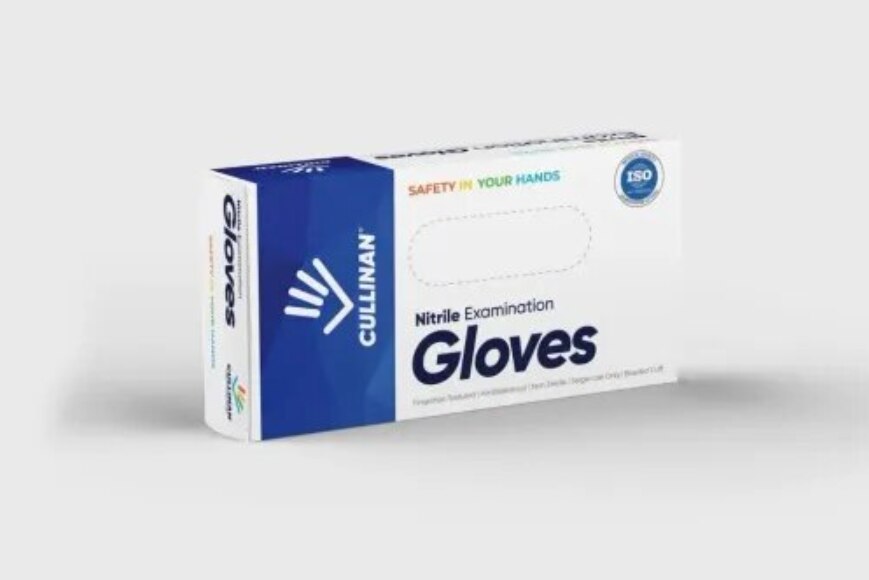
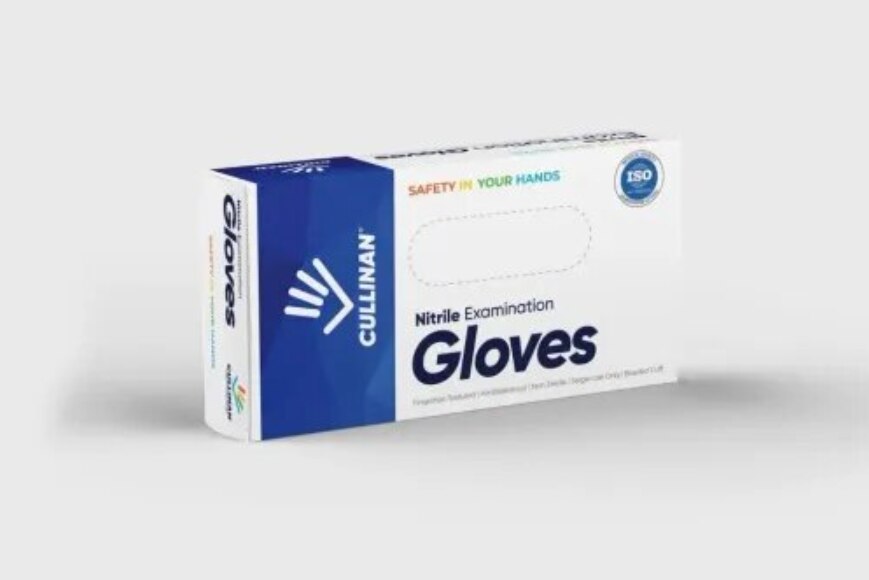
For cullinan gloves care and orthopedic glove storage guidance, request the product label and instructions for use, lot traceability records, storage-excursion assessment, and the supplier’s written disposition before release. Contact the manufacturer or distributor, including Ak Health Tech Private Limited, when those records or label limits cannot be confirmed.
Gold colour alone cannot identify natural-rubber latex, synthetic material, or latex-warning status. Verify the package wording; a visually clean glove is not evidence of sterility or material safety.
Related products
 | Cullinan Surgical Gloves Cullinan Gold Surgical Gloves - Powdered Are you searching for Gold Surgical Gloves Manufacturer in India Then AK Health Tech is Best Choice for you Gold Surgical Gloves Powdered. View product → |
 | Cullinan Gold Surgical Gloves - Powder Free Are you searching for Gold Surgical Gloves Manufacturer in India Then AK Health Tech is Best Choice for you Gold Surgical Gloves Powder Free. View product → |
Frequently asked questions
What temperature should you use when storing Cullinan orthopedic gloves?
Use the temperature range printed on the Cullinan product label and instructions for use. Do not assume all latex surgical gloves share the same validated limit.
How should you protect Cullinan gold gloves from storage damage?
Keep cartons away from direct light, moisture, excessive air exposure, ozone, oils, solvents, disinfectants, and other chemicals. Maintain a clean, dry storage area.
How should cartons be arranged in storage?
Stack cartons securely without crushing, bending, puncturing, or placing heavy loads on sterile pouches. Preserve the sterile barrier until use.
How do you rotate Cullinan glove stock?
Read the expiry date and batch details on every carton, then issue stock using first-expiry-first-out rotation.
What should you do with damaged or questionable glove packs?
Remove suspect stock from use, label it for quarantine, record the batch and damage, and escalate it through your quality or infection-control process.
Keywords