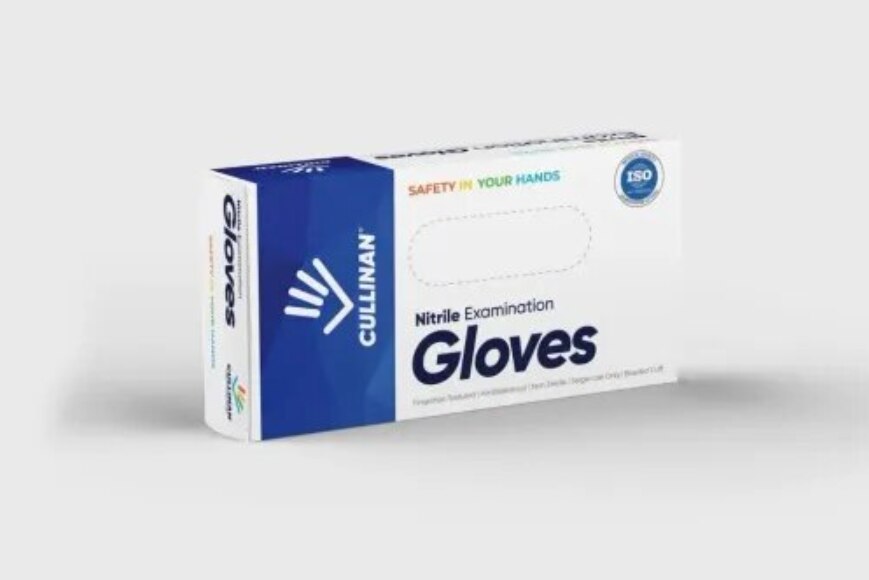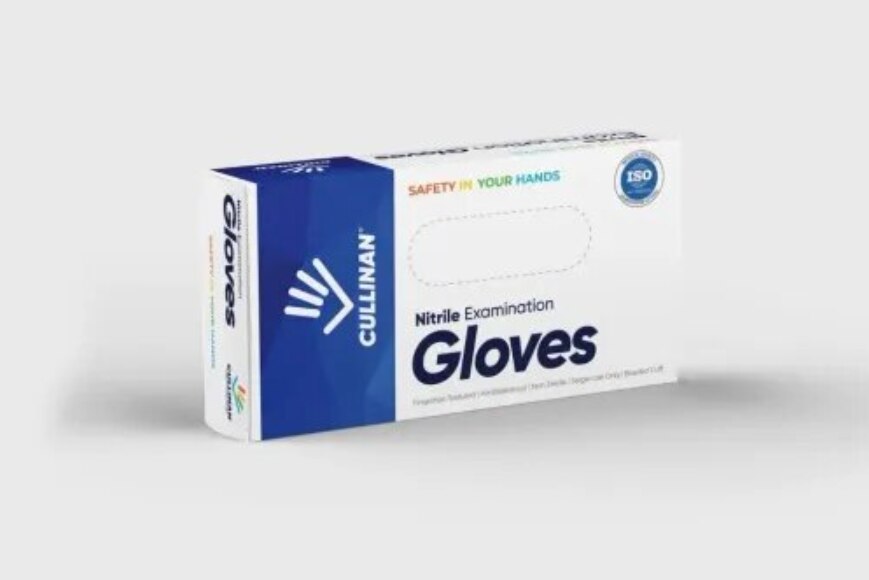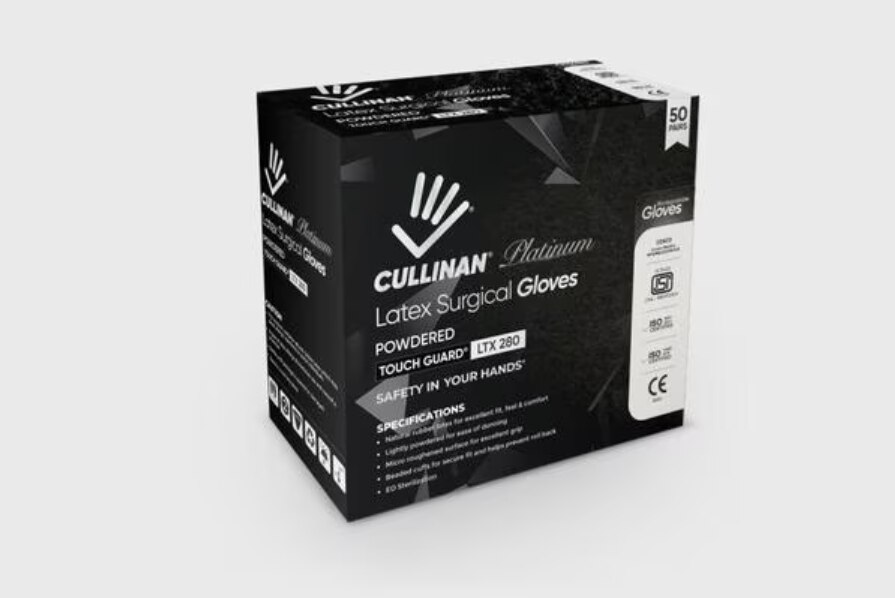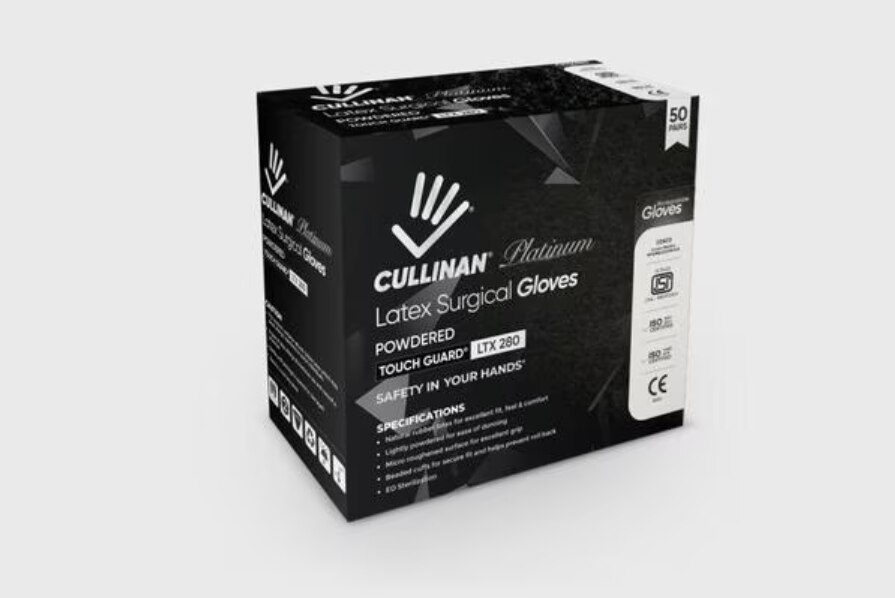
A product name alone cannot tell you whether a powdered surgical glove is latex or nitrile, sterile or non-sterile, suitable for clean laboratory work, or tested against the hazards you handle. By the end, you will have a practical checklist for matching the glove to the task, verifying its documents, and controlling powder, allergy, contamination, and storage risks in a Noida laboratory.
Key takeaways
- Request material, size, AQL, powder, sterility, and expiry details.
- Choose powder-free gloves for cleanrooms, sensitive testing, and residue-sensitive work.
- Inspect seals, lot numbers, expiry dates, and damage on every delivery.
- Store cartons in a dry, temperature-controlled area away from sunlight and chemicals.
What “Cullinan Platinum surgical gloves powdered” actually tells you
The phrase “cullinan platinum surgical gloves powdered” is not a complete product specification. “Cullinan Platinum” identifies a commercial name, “surgical” indicates a medical glove category, and “powdered” signals powder presence. None of those words proves the glove is sterile, identifies its material, or confirms laboratory suitability.
- Material: Request the exact catalogue or SKU and datasheet to confirm natural-rubber latex, nitrile, or another material. If it is latex, record the allergy-control implications before approval.
- Powder: Confirm whether the powder is cornstarch or another substance, and request its coating description or residual amount. “Powdered” alone gives you neither detail.
- Sterility: Look for a sterile claim supported by individual packaging, a lot number, expiry date, and a conformity or test record. The word “surgical” does not establish sterility.
- Laboratory suitability: The name does not show that the glove is appropriate for cell culture, molecular biology, cleanroom work, diagnostics, analytical chemistry, or chemical handling.
Powder can shed onto samples, instruments, clean benches, and surrounding air. It can interfere with microscopy, cell culture, and aseptic procedures, so “powdered surgical gloves laboratory use” is not automatically a sensible specification.
The United States Food and Drug Administration prohibited powdered surgeon’s gloves and powdered patient-examination gloves because of risks including inflammation, granulomas, adhesions, and respiratory effects. Treat powder-free as the safer laboratory default unless a documented task requires powder and defines its type, amount, and contamination controls.
The Cullinan Platinum glove specifications to request before purchase
Approve only against the exact catalogue number or SKU and a current technical datasheet; “Cullinan Platinum surgical gloves powdered” is not a complete specification. Request these Cullinan Platinum glove specifications in writing:
- Material: natural-rubber latex, nitrile, or another polymer; identify latex content and allergy controls.
- Powder: chemical identity, absorbable or non-absorbable status, amount or coating description, and contamination-control limits.
- Design: anatomical or ambidextrous shape, colour, surface finish, finger shape, cuff length, size range, and sterile or non-sterile status.
- Performance: palm, finger, and cuff thickness with measurement locations and test method; tensile strength, elongation, and stated expiry period.
- Quality: pinhole AQL, lot size, inspection level, sampling plan, and test method.
Use the standard that matches the glove category rather than accepting a generic claim.
| Standard | Applies to | Record to obtain |
|---|---|---|
| ISO 11193-1 | Single-use medical examination gloves | Certificate of conformity or test report |
| ASTM D3577 | Rubber surgical gloves | Current test report and material identification |
| ASTM D6319 | Nitrile examination gloves | Current test report and nitrile specification |
| EN 455 | Single-use medical gloves | Parts 1–4 conformity evidence |
Ask for the actual freedom-from-holes result and ASTM D5151 water-leak method, not a promise that every glove is defect-free. Also obtain batch traceability, sterility validation if labelled sterile, and release records linking the test results to the supplied lot. A single headline thickness cannot establish dexterity, puncture resistance, or chemical protection.
When powdered gloves fit a laboratory task—and when powder-free is safer
The phrase “powdered surgical gloves laboratory use” can mislead: powder is not a laboratory requirement. Sterile surgical gloves make sense when you create a sterile field or perform aseptic manipulation, such as handling sterile implants, preparing sterile cultures, or supporting a procedure where glove contamination could compromise the work.
| Task | Better starting choice | Why powder is a problem |
|---|---|---|
| Sterile field or aseptic manipulation | Sterile, powder-free surgical gloves | Powder can enter the field and compromise clean handling |
| Routine specimen handling | Examination gloves | Surgical construction adds cost without solving the main biological hazard |
| Cell culture, microscopy, or molecular work | Powder-free gloves | Cornstarch can shed onto samples, slides, instruments, and clean surfaces |
| Solvent, disinfectant, or reagent handling | Gloves with task-specific chemical data | Powder-free describes surface treatment, not chemical resistance |
Powdered gloves are a poor default for clean processes because particles can become airborne, obscure microscopy, interfere with cell culture, and contaminate analytical work. The FDA prohibited powdered surgeon’s gloves and powdered patient-examination gloves in the United States because of risks including inflammation, granulomas, adhesions, and respiratory effects.
If a specialized process genuinely permits powder, specify the powder type, coating or amount, contamination controls, and the reason it is acceptable.
For surgical gloves for laboratories in Noida, choose powder-free unless a documented procedure says otherwise. Do not treat powder-free as chemical protection: request permeation or degradation data for the named chemical and exposure time; ASTM D6978 addresses chemotherapy-drug permeation, not every reagent.
Compare palm, finger, and cuff measurements separately, since one thickness figure cannot predict dexterity, puncture resistance, or chemical protection.
How to verify sterility, packaging, shelf life, and Noida storage conditions
A sterile claim is credible only when the individual wrapper says “sterile,” identifies the sterilization method, and has an intact seal. Check the catalogue or SKU, glove size, manufacturer, lot or batch number, manufacture date, expiry date, and any required sterile-device mark; the carton and inner wrapper must match.
1. Record the lot number, expiry date, quantity, and delivery date against the purchase order. Request the current technical datasheet, certificate of conformity or test report, and sterilization record. The report should name the applicable standard, such as ISO 11193-1, ASTM D3577, ASTM D6319, or EN 455.
2. Reject a pack with a puncture, lifted or incomplete seal, crushed wrapper, wet carton, staining, or visible powder or debris outside the glove pack. Do not treat a later clean-looking carton as proof that a damaged sterile barrier recovered.
3. Compare the manufacturer’s storage limits with the warehouse and transport record. Confirm the specified temperature, humidity, light exposure, ozone exposure, and carton-stacking limits; keep cartons dry, away from direct sunlight and ozone-generating equipment, and stacked only as instructed.
4. Quarantine stock whose lot number is missing, expiry is passed, or storage history is unknown. For surgical gloves for laboratories in Noida, retain delivery and temperature records with the batch file so a complaint can be traced.
Cullinan Platinum glove specifications should confirm the stated shelf life and storage conditions; the product name alone proves neither sterility nor fitness after transport.
A practical receiving, donning, changing, and supplier-check protocol
Receive the carton before opening it in the laboratory. Check the product name, exact catalogue number, size, quantity, lot number, manufacture and expiry dates, sterile barrier seal, and transport damage; quarantine any wet, torn, opened, or untraceable pack.
- Wash and dry your hands, remove jewellery, and inspect each glove for tears before touching clean materials.
- Open the inner pack at the designated area. Touch only the cuff, keeping powdered fingers away from samples, instruments, labels, and sterile surfaces.
- Put on the gloves without snapping the cuff. If the glove touches a non-clean surface, replace it immediately.
- Change gloves between specimens, workstations, incompatible chemicals, and clean-to-dirty tasks. Replace them after a spill, puncture, visible powder shedding, or contact with skin.
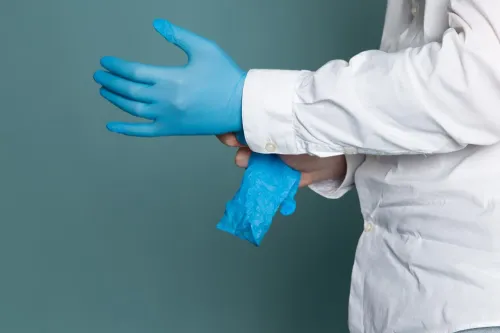
- Remove one glove by pinching its outside near the wrist; hold it in the gloved hand. Slide an ungloved finger under the remaining cuff, peel it over the first glove, discard both, and wash your hands.
For surgical gloves for laboratories in Noida, ask Ak Health Tech Private Limited or another supplier for a current technical datasheet and certificate of conformity or test report naming ISO 11193-1, ASTM D3577, ASTM D6319, or EN 455, as applicable.
- Request material, latex-allergy warning, powder type and quantity or coating description, sizes, cuff length, and sterile status.
- Request palm, finger, and cuff thickness with measurement locations and test method, plus tensile strength, elongation, pinhole AQL, shelf life, and lot traceability.
- Confirm that the supplier’s description matches your intended task; powder-free is the safer default for clean, culture, molecular, and analytical work.
Related product
 | Cullinan Platinum Surgical Gloves - Powdered Are you searching for Platinum Surgical Gloves Manufacturer in India Then AK Health Tech is Best Choice for you Platinum Surgical Gloves Powdered. View product → |
Frequently asked questions
What does “Cullinan Platinum surgical gloves powdered” tell you?
It identifies a commercial name, surgical glove category, and powder presence, but not material, sterility, laboratory suitability, or performance.
Which Cullinan Platinum glove specifications should you request?
Request the material, sizes, cuff design, thickness, AQL, powder type and amount, sterility status, standards, lot number, and expiry date.
When are powdered surgical gloves unsuitable for laboratory use?
Choose powder-free gloves when powder could contaminate samples, interfere with testing, irritate skin, or affect cleanroom control.
How should you check gloves received in Noida?
Confirm intact packaging, product identity, lot number, expiry date, sterility indication, storage condition, and visible damage before acceptance.
Keywords