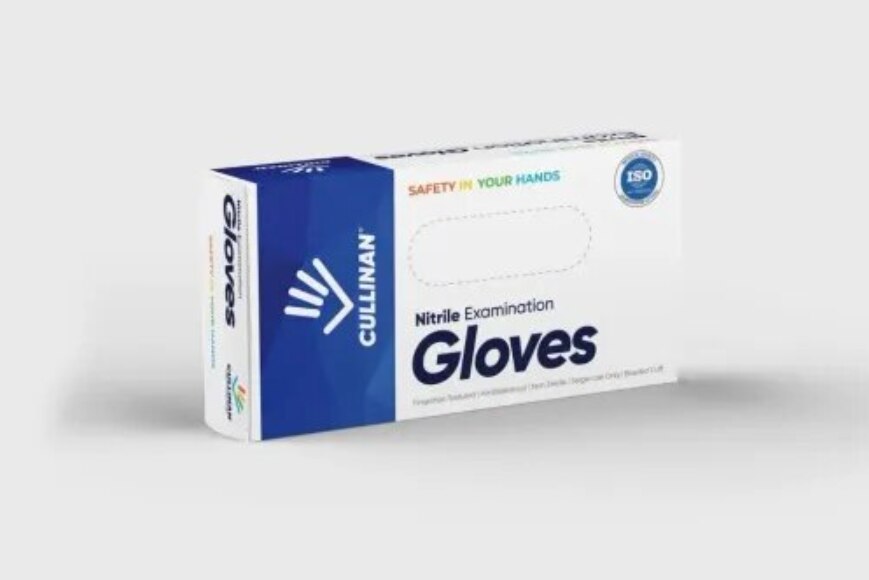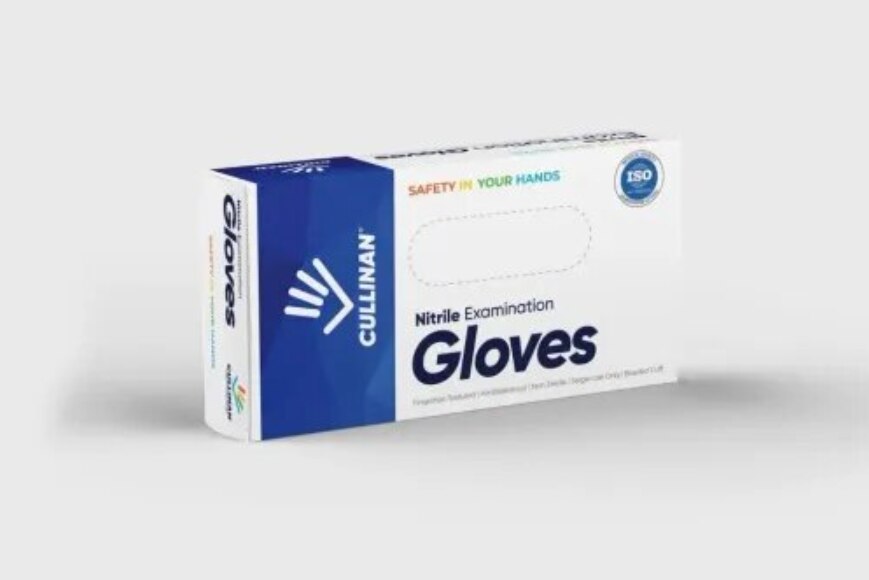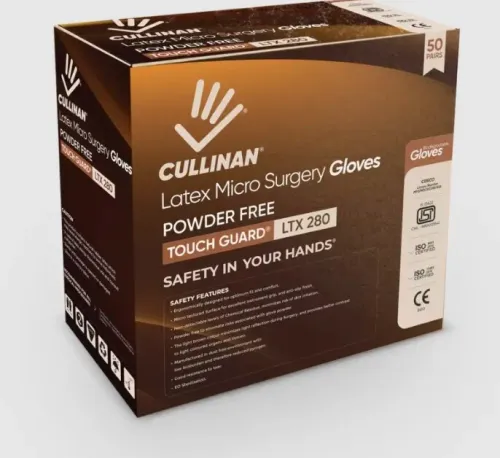

Orthopedic surgery can involve handling instruments, implants, bone-related structures, and equipment that create different glove demands from some delicate surgical procedures. This makes application-specific evaluation important when purchasing Cullinan Orthopedic Gloves - Powder Free for hospitals and orthopedic surgical facilities.
A common procurement mistake is to assume that all surgical gloves should be evaluated using exactly the same criteria. While basic considerations such as fit, barrier use, packaging, and documentation remain important, the working environment of orthopedic surgery deserves specific attention.
Healthcare buyers should begin with procedure requirements. The glove must be suitable for its labelled intended use, and the hospital should determine whether its characteristics align with the type of orthopedic work being performed.
Grip and instrument handling are practical considerations. Orthopedic professionals may work with a variety of instruments and materials, making controlled handling important throughout the procedure.
Fit also matters. A glove that moves excessively on the hand may affect control, while one that is unnecessarily tight can contribute to discomfort during longer operations. Appropriate sizing should therefore be available for different members of the surgical team.
A procurement assessment can cover:
- Material and construction
- Powder-free design
- Size availability
- Cuff characteristics
- Grip requirements
- Comfort during expected wear duration
- Packaging integrity
- Product documentation
- Storage requirements
- Shelf life and batch traceability
Depending on procedure-specific risk assessment and institutional policy, healthcare teams may also use glove practices such as double gloving. Such decisions should follow facility protocols and applicable clinical guidance rather than being determined solely by product marketing.
Hospitals in Noida, Uttar Pradesh, range from general healthcare facilities to specialised orthopedic and trauma centres. Their glove requirements may differ according to surgical volume, department size, procedure mix, and purchasing frequency.
Procurement teams can improve ordering accuracy by reviewing historical consumption separately for orthopedic departments. This makes it easier to forecast size-wise requirements and establish appropriate safety stock.
Ak Health Tech Private Limited offers Cullinan surgical glove products for institutional healthcare requirements. Facilities considering the orthopedic powder-free option can assess the current specifications alongside their internal standards and user feedback.
Buyers should also avoid selecting products solely on the basis of price per pair. A meaningful comparison should consider suitability for intended use, sizing, quality documentation, supply planning, shelf life, and inventory efficiency. A slightly different purchase price may have less operational significance than repeated shortages of commonly used sizes or excess stock approaching expiry.
For medical distributors serving Noida, Greater Noida, and other Uttar Pradesh healthcare markets, understanding the end user's application can similarly improve product allocation. Orthopedic facilities may require a purchasing profile different from clinics performing lower volumes of surgery.
The most useful question is therefore not simply, 'Which surgical glove should we buy?' It is, 'Which glove specification is appropriate for our orthopedic procedures, users, and institutional protocols?' Answering that question systematically creates a stronger foundation for purchasing decisions.
Keywords