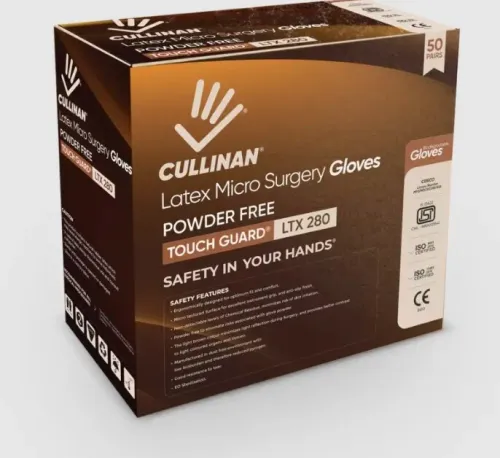

A long-cuff glove labelled for gynaecological use is not automatically a laboratory examination glove, a sterile surgical glove or a chemical-protection glove. By checking the material, powder status, intended task, fit, contamination risk and market-specific requirements, you can make a defensible choice between the two versions.
Key takeaways
- Treat “gynaecological” as a use or design description, not a performance standard.
- Choose powder-free gloves where residue could contaminate samples, surfaces or assays.
- Confirm sterility, cuff length, material, sizing and barrier-test documents before ordering.
- Check donning technique and fit because poor gloves reduce dexterity and protection.
What “gynaecological glove” means in a laboratory
A “gynaecological glove” usually describes a use or design, often an extended cuff, rather than a separate performance standard. For gynaecological gloves for laboratory staff, the name alone does not establish sterility, puncture resistance, barrier integrity or chemical resistance.
- Surgical gloves are intended for use during operations and are commonly sterile, but a long cuff does not make another glove a surgical glove.
- Examination gloves cover non-surgical medical contact and can be sterile or non-sterile.
- Micro-surgery gloves prioritise fine tactile control and precise manipulation, not necessarily extended cuff coverage.
- Gynaecological gloves may suit specimen handling or examination support, but their actual claims depend on the product specification.
Specify sterile or non-sterile before ordering. Decide whether the task involves specimen handling, pelvic-model work, sample preparation, examination support, cleaning or contact with body fluids. An extended cuff can reduce fluid reaching the wrist or sleeve, but it cannot prove that the glove withstands chemicals or remains intact under puncture.
The phrase cullinan gynaecological gloves powder free or powdered laboratories therefore requires three checks: the product label, the technical datasheet and the regulatory market. Confirm the material, powder status, sterility claim and intended use rather than assuming the name identifies one globally consistent product.
A glove suitable for body-fluid or specimen contact is not automatically suitable for solvents, disinfectants or cytotoxic drugs.
How to choose powder-free or powdered versions
Before comparing Cullinan gynaecological gloves powder free with Cullinan gynaecological gloves powdered, request the declared material: natural-rubber latex, nitrile or another polymer. Confirm whether both versions use identical material. The label must separately state powder status, latex-protein information, accelerator chemistry and sterility. “Powder-free” does not mean latex-free, low-protein, accelerator-free or sterile.
| Option | Handling difference | What to verify |
|---|---|---|
| Powder-free | Polymer coating or another surface treatment can change friction, wet donning, grip and tactile feel. | Confirm the treatment and trial the glove after handwashing, disinfectant use and wet work. |
| Powdered | Powder can make dry donning easier but leaves residue and is not equivalent to a powder-free glove. | Identify the powder and confirm that its use is lawful for your market and workflow. |
Use powder-free gloves when residue could affect specimens, tissue, instruments, test areas or clean work. Trial the actual glove during normal tasks; a comfortable dry fit can become difficult to don or slippery after wet work. Do not treat “powder-free” as “allergy-free”: latex proteins and chemical accelerators remain separate exposure questions.
In the United States, FDA prohibitions effective 18 January 2017 cover powdered surgical gloves, powdered patient-examination gloves and absorbable powder intended to lubricate surgical gloves. Therefore, Cullinan gynaecological gloves powdered cannot be presented as an equivalent U.S. healthcare option to powder-free gloves.
For powdered or powder free surgical gloves, check the product label, technical datasheet and regulatory market before ordering.
When glove powder creates a laboratory contamination problem
Powdered gloves are the wrong choice wherever foreign residue can change what you see, measure or culture. For gynaecological gloves for laboratory staff, ask the supplier to name the powder and provide its quantity or applicable product specification; reject an unexplained “powdered” label.
| Workflow | Why powder creates risk | Better choice |
|---|---|---|
| Cleanrooms | Residue can settle on benches, instruments and test areas | Powder-free gloves |
| Histology and tissue handling | Powder can land on tissue or slides and alter observation | Powder-free gloves |
| Microbiology | Residue can contaminate specimens or cultures | Powder-free gloves |
| Molecular testing | Foreign material can compromise clean handling and results | Powder-free gloves |
| Any observation-sensitive workflow | Deposits can be mistaken for sample material | Powder-free gloves |
Powder is more than a housekeeping nuisance. It can carry allergenic latex proteins into the air or onto tissue, and exposure has been associated with airway inflammation, wound inflammation, granulomas and postoperative adhesions. Powder-free does not mean allergy-free: check the glove material, latex-protein information and accelerator chemistry.
A glove suitable for blood or specimen handling is not automatically suitable for solvents, disinfectants, cytotoxic drugs or other laboratory chemicals. Check compatibility for the named chemical, concentration, temperature and contact time; “chemical resistant” alone proves nothing. The same check applies when comparing powdered or powder free surgical gloves.
Change disposable gloves when they are contaminated, torn or punctured, and between tasks that could transfer contamination. Do not wash or decontaminate them for reuse. Perform hand hygiene before donning and after removal.
How fit, cuff design and donning affect laboratory work
Compare two gloves of the same nominal size by measured dimensions and work results, not by the size label alone. For gynaecological gloves for laboratory staff, request the manufacturer’s size chart in millimetres for palm width, overall length, each finger length and cuff length, together with the measurement method.
| Comparison point | Glove A | Glove B |
|---|---|---|
| Palm width and finger lengths | Manufacturer’s millimetre measurements | Manufacturer’s millimetre measurements |
| Cuff design | Beaded cuff, extended dimensions, ambidextrous or left/right shape | Beaded cuff, extended dimensions, ambidextrous or left/right shape |
| Material performance | Palm and fingertip thickness, elongation or elasticity, tensile strength, test methods and acceptance limits | Palm and fingertip thickness, elongation or elasticity, tensile strength, test methods and acceptance limits |
| Observed donning | Time with dry and damp hands | Time with dry and damp hands |
A cuff extending farther over the wrist or sleeve can reduce fluid entry, but it does not prove chemical protection, sterility, puncture resistance or barrier integrity.
Powder-free gloves can require more effort to don with damp hands when surface treatment loses slip, so test Cullinan gynaecological gloves powder free after handwashing, disinfectant use and wet work.
Poor fit increases snagging, fingertip fatigue and tearing during extended work. Ask staff to trial pipetting, forceps use, specimen transfer, pelvic-model work and cuff movement, then record fingertip sensitivity, grip, donning time and every tear. A longer cuff is useful only when the measured fit and task trial support it.
What to request before placing a laboratory order
Before placing an order, require a written specification for the exact Cullinan gynaecological glove variant, not just “powder-free” or “powdered.” The phrase cullinan gynaecological gloves powder free or powdered laboratories does not identify one globally consistent product.
Request these details from the supplier:
- Exact product name, variant and material: natural-rubber latex, nitrile or another polymer.
- Powder name, or written confirmation that the glove contains no powder.
- Latex-protein information and accelerator chemistry; powder-free does not mean latex-free or accelerator-free.
- Size chart with palm width, overall length, finger lengths and cuff length, plus the measurement method.
- Nominal palm and fingertip thickness, sterility status and intended use.
- Chemical-compatibility evidence for the named chemical, concentration, temperature and contact time.
- Applicable product standard and test reports; reject unsupported claims such as “medical grade” or “chemical resistant.”
- Ask Ak Health Tech Private Limited to identify the precise variant and provide the current technical datasheet, label and lot documentation.
| Option | Purchasing decision | Main check |
|---|---|---|
| Powder-free surgical gloves | Choose when contamination control is the priority | Confirm latex, accelerators and sterile status separately |
| Cullinan gynaecological gloves powdered | Consider only where lawful and validated | Name the powder and accept residue and exposure risks |
| Sterile option | Inspect at receipt | Reject damaged seals, compromised sterile barriers, missing lot numbers or expired packs |
Confirm the regulatory market: U.S. availability and claims differ elsewhere. Choose powdered or powder free surgical gloves only after checking that market’s rules and your laboratory’s validated workflow.
Frequently asked questions
What does “gynaecological glove” mean in a laboratory?
It usually describes a glove intended for gynaecological work or an extended-cuff design. The name alone does not confirm sterility, puncture resistance, barrier integrity or chemical resistance.
Should laboratory staff choose powdered or powder-free surgical gloves?
Choose powder-free gloves when powder could interfere with samples, assays, instruments, surfaces or cleanroom controls. Use powdered gloves only when the powder is permitted by your laboratory procedure and does not create contamination risk.
How does glove powder contaminate laboratory work?
Powder can become airborne, transfer to samples and equipment, carry residues across work areas, and interfere with sensitive procedures. It also makes surface cleaning more difficult.
What glove features affect laboratory handling?
Check the size, finger shape, cuff length, cuff grip, material, thickness and textured surface. A secure cuff and close fit help preserve dexterity and reduce accidental snagging or glove movement.
What should you request before placing a laboratory glove order?
Request the product specification, size chart, material declaration, sterility status, batch and lot traceability, expiry information, packaging details, barrier-test results and chemical-resistance data for your intended use.
Keywords