


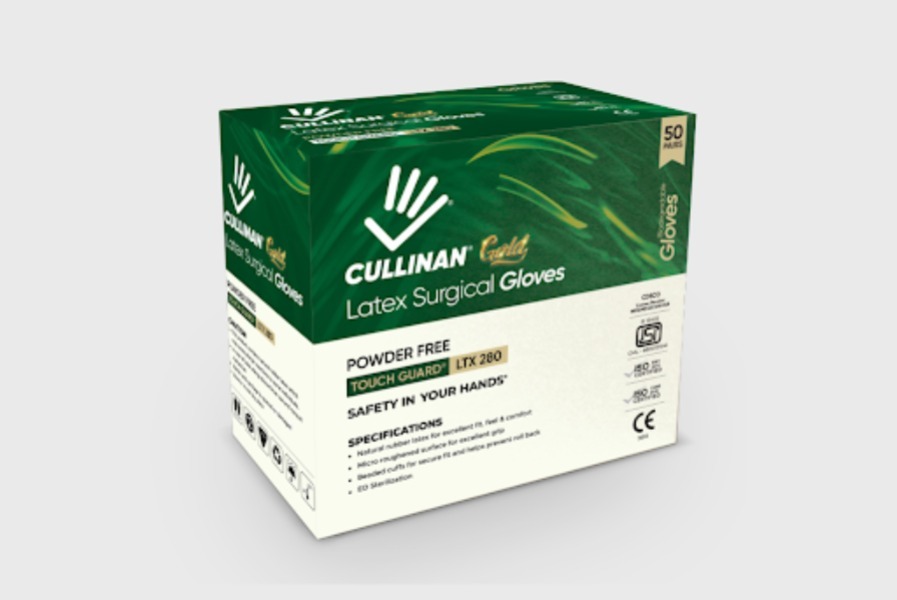
Purchasing surgical gloves for an institution requires a balance between clinical requirements, product specifications, consumption patterns, documentation, and supply continuity. Buyers considering Cullinan Gold Surgical Gloves - Powdered should therefore begin with the procedures and users the gloves are expected to support.
This approach is particularly useful for hospitals, nursing homes, surgical facilities, and medical distributors in Noida, Uttar Pradesh, where procurement quantities can vary significantly between facilities.
Start by defining the intended application. Surgical gloves should be selected for their labelled purpose and according to the healthcare facility's clinical policies. Buyers should avoid choosing a glove merely because its material or price appears suitable.
Next, assess sizing requirements. A healthcare organisation may consume significantly more medium-sized gloves than other sizes, while another institution may have a different usage pattern. Reviewing historical consumption can help purchasing departments determine an appropriate size mix.
Important buying criteria include:
- Material and construction – Review the glove material and specifications against the intended procedure.
- Powdered design – Determine whether powdered gloves are permitted and appropriate under the organisation's policies and applicable requirements.
- Fit and comfort – Gloves should support controlled hand movement without being excessively tight or loose.
- Surface and grip – Consider the instruments and materials users commonly handle.
- Packaging integrity – Surgical glove packaging should be appropriate for its labelled sterile status and intended use.
- Documentation – Institutional purchasers should verify relevant product specifications, certifications, test information, and batch details as applicable.
- Shelf life and storage – Check expiry information and follow stated storage conditions.
Latex sensitivity is another important factor when evaluating latex-based products. Facilities should maintain appropriate policies for healthcare workers or patients with known or suspected latex sensitivity and select alternatives where necessary.
Procurement teams should also evaluate the operational side of purchasing. A glove may meet technical requirements, but poor inventory planning can still cause problems. Understanding average monthly consumption, lead times, minimum stock levels, and departmental demand can help maintain more reliable availability.
For Noida-based institutions, proximity to manufacturing and distribution networks in the Delhi-NCR and Uttar Pradesh region can also influence purchasing decisions. Buyers may benefit from clearly communicating size-wise quantities and procurement schedules rather than ordering solely according to aggregate carton requirements.
Ak Health Tech Private Limited manufactures Cullinan surgical glove ranges for healthcare and institutional buyers. Organisations evaluating the Gold powdered range can request relevant product specifications and align them with internal procurement requirements.
A good surgical glove buying decision is ultimately specification-driven. Price matters, especially for high-volume institutions, but it should be considered alongside suitability, quality consistency, documentation, storage, fit, and supply planning.
By establishing these criteria before requesting quotations, healthcare procurement teams can compare surgical glove options more meaningfully and reduce avoidable mismatches between purchased stock and actual clinical requirements.